
 E-Paper




 Trending News
The Relentless Rise of South Florida’s Megamansion King
Todd Michael Glaser has made a fortune building high-end spec homes for the superrich in Miami and Palm Beach. Now, he’s making his biggest bet yet.




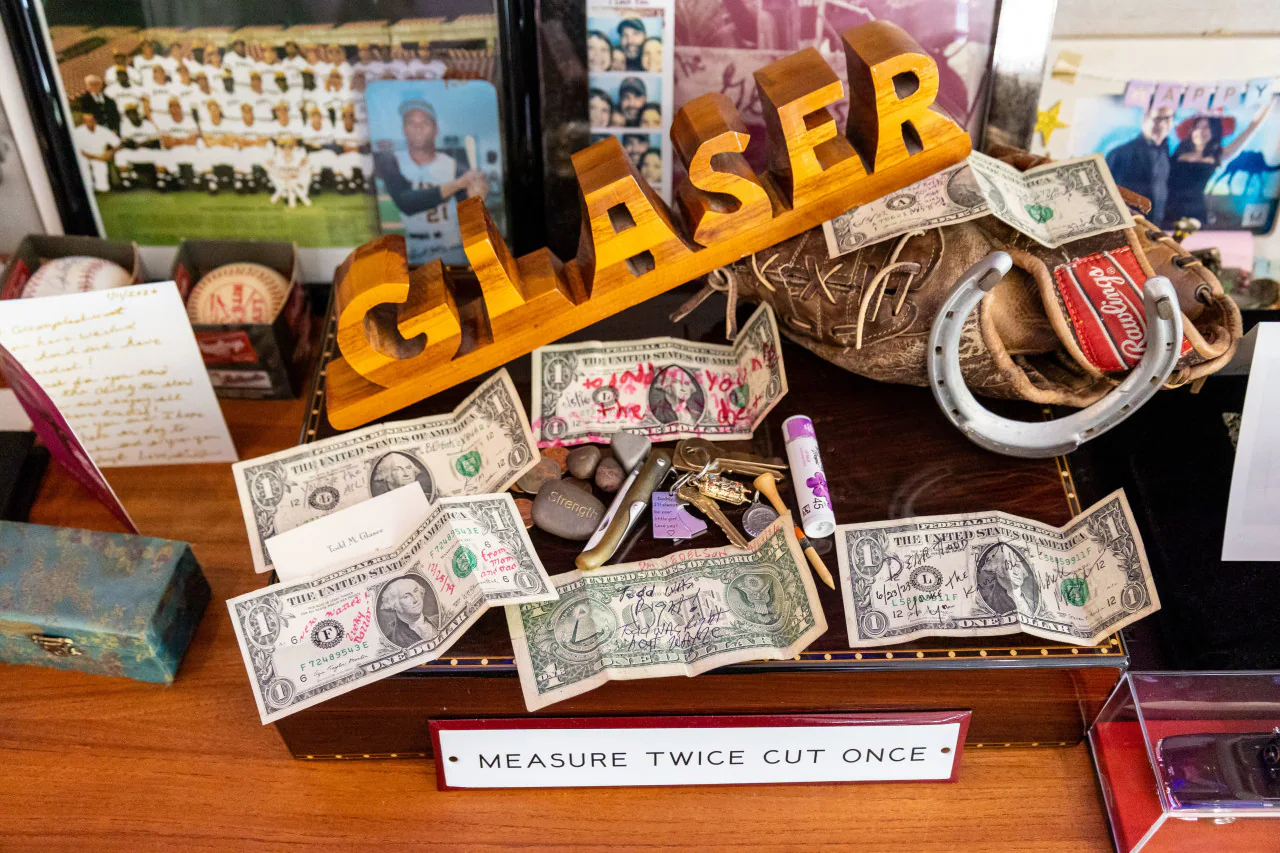
Palm Beach, Fla.– Todd Michael Glaser loves making bets with his friends—but not for real money. Instead, the loser gives the winner a single dollar bill inscribed with a mea culpa. “I was wrong, you were right, you are the best.” That kind of thing.
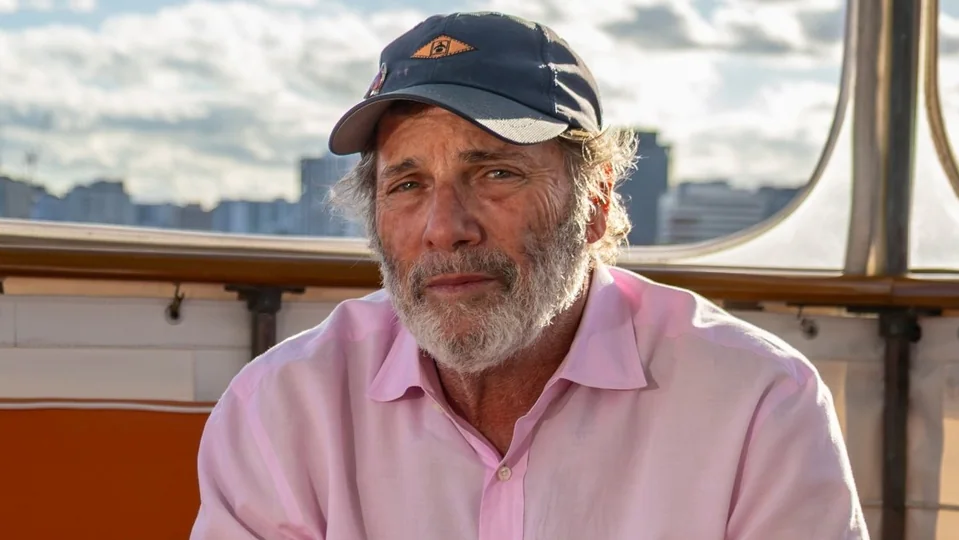
“It’s good to be right,” says Glaser, showing off one of the bills over lunch in Palm Beach. He’s been right a lot.
Few people have benefited more than Glaser, a high-end spec-home developer, from the real estate gold rush that has transformed South Florida in recent years. As money flooded in from the Northeast during Covid, then later from Silicon Valley, Glaser has lined his and his partners’ pockets by building and renovating a flurry of nine-figure megamansions for the superrich in Miami Beach and Palm Beach. All the while, the 62-year-old has earned a controversial reputation as a straight-talking, relentless hustler who does whatever it takes to carve out profits, whether it’s flipping contracts, nixing deals or courting the media spotlight.
“If he could make money from the shirt on his back, he would sell the shirt on his back,” says Glaser’s sometime real-estate agent Nelson Gonzalez. “He would sell the shirt off your back.”
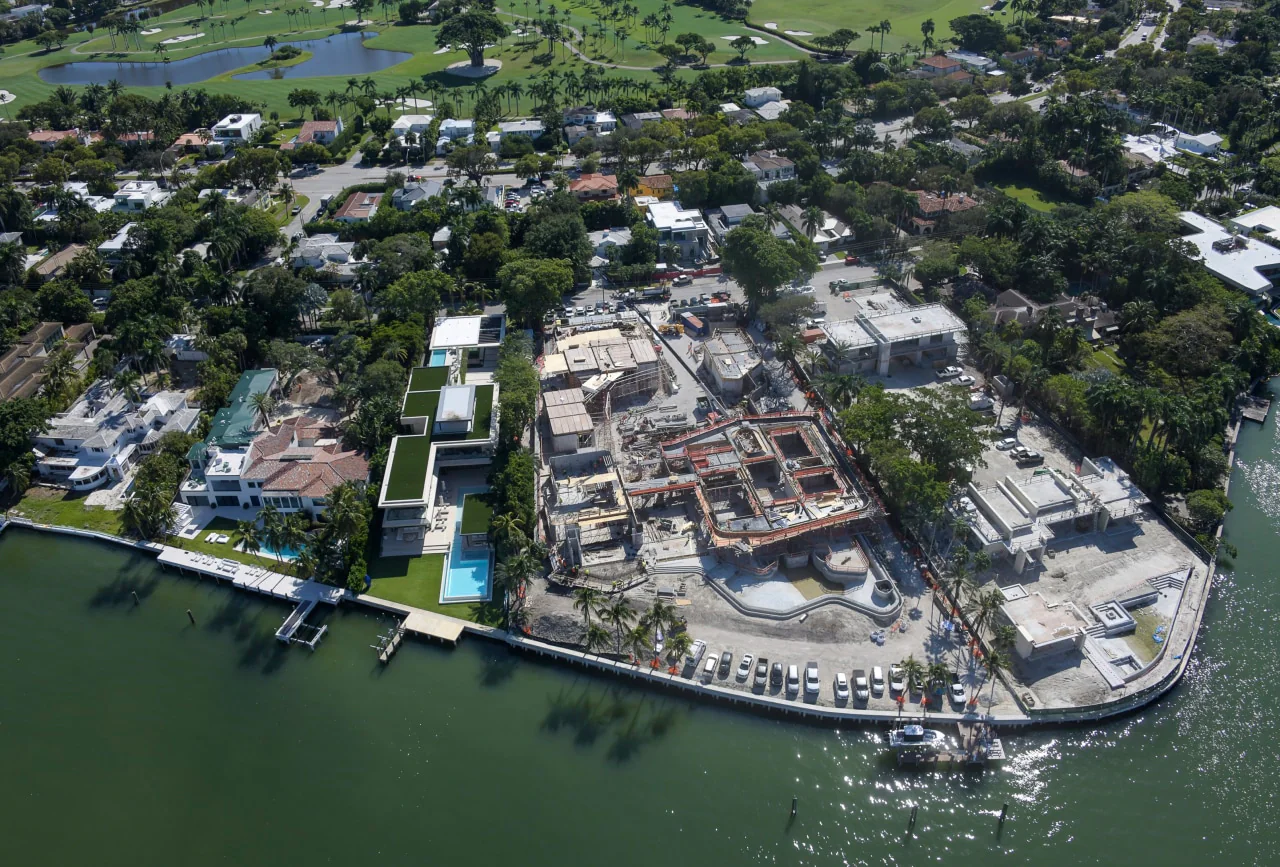
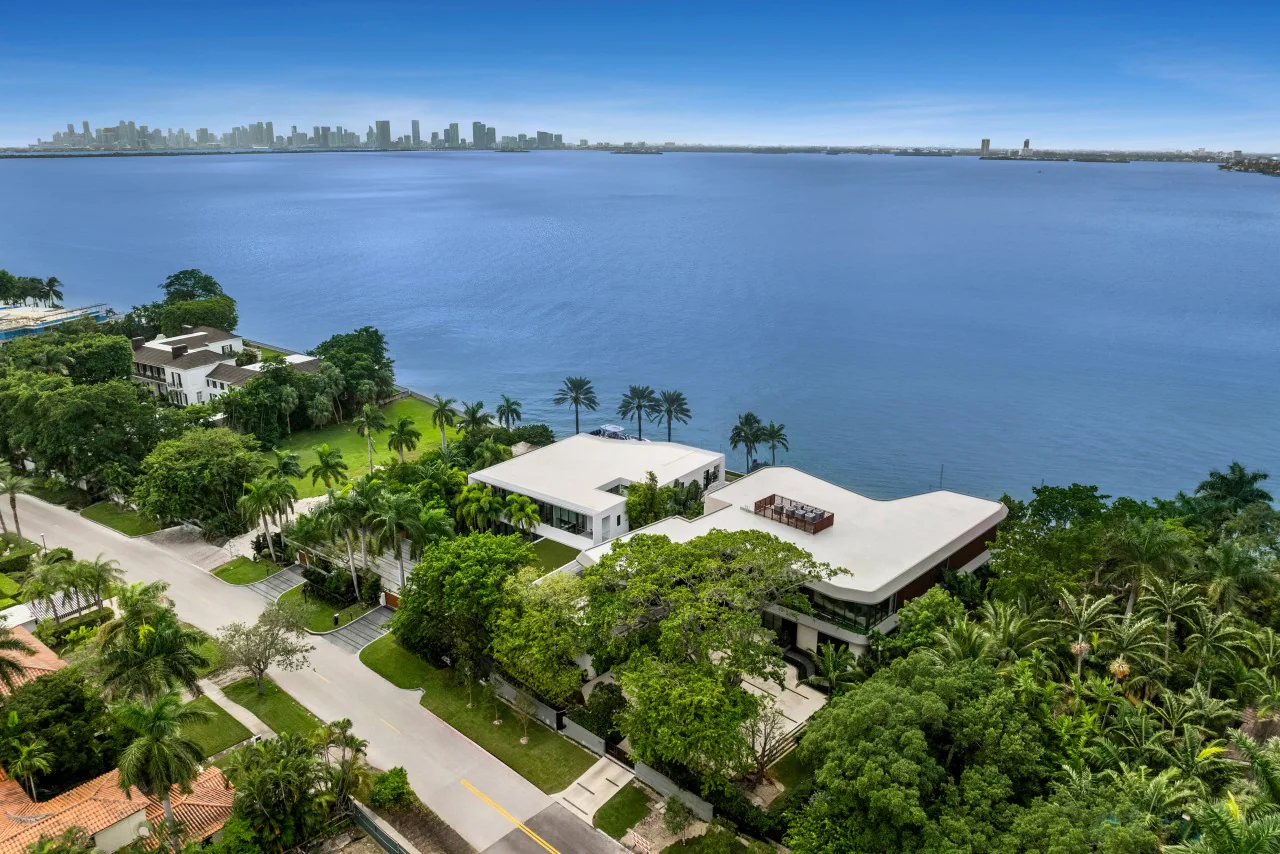
Now, Glaser is making his biggest wager yet. He’s building a mansion on Miami Beach’s coveted North Bay Road, an upscale strip that has drawn residents such a media mogul Barry Diller and David and Victoria Beckham. Glaser and his partner, Jarrett Posner’s Posner Group, paid $105 million for the 2.34-acre site last year. It’s widely expected to ask more than $300 million.
A sale of the property for that amount would nearly double the Miami-Dade County record, which was set earlier this year by Mark Zuckerberg’s deal for a $170 million house on Indian Creek Island.
For Glaser, the move is a bet that South Florida’s ultraluxury market will continue its unprecedented winning streak, even as fears of an AI bubble and global economic uncertainty threaten to dampen the spending power of the wealthy.
Glaser says he sees the continued strength of the market as almost guaranteed.
“We’ve reached the moon,” he says. “Now we’re going to Mars, or Saturn.”
Man about town
“Can I get a margarita with the fancy Patron and a side of orange juice, no salt?” says Glaser.
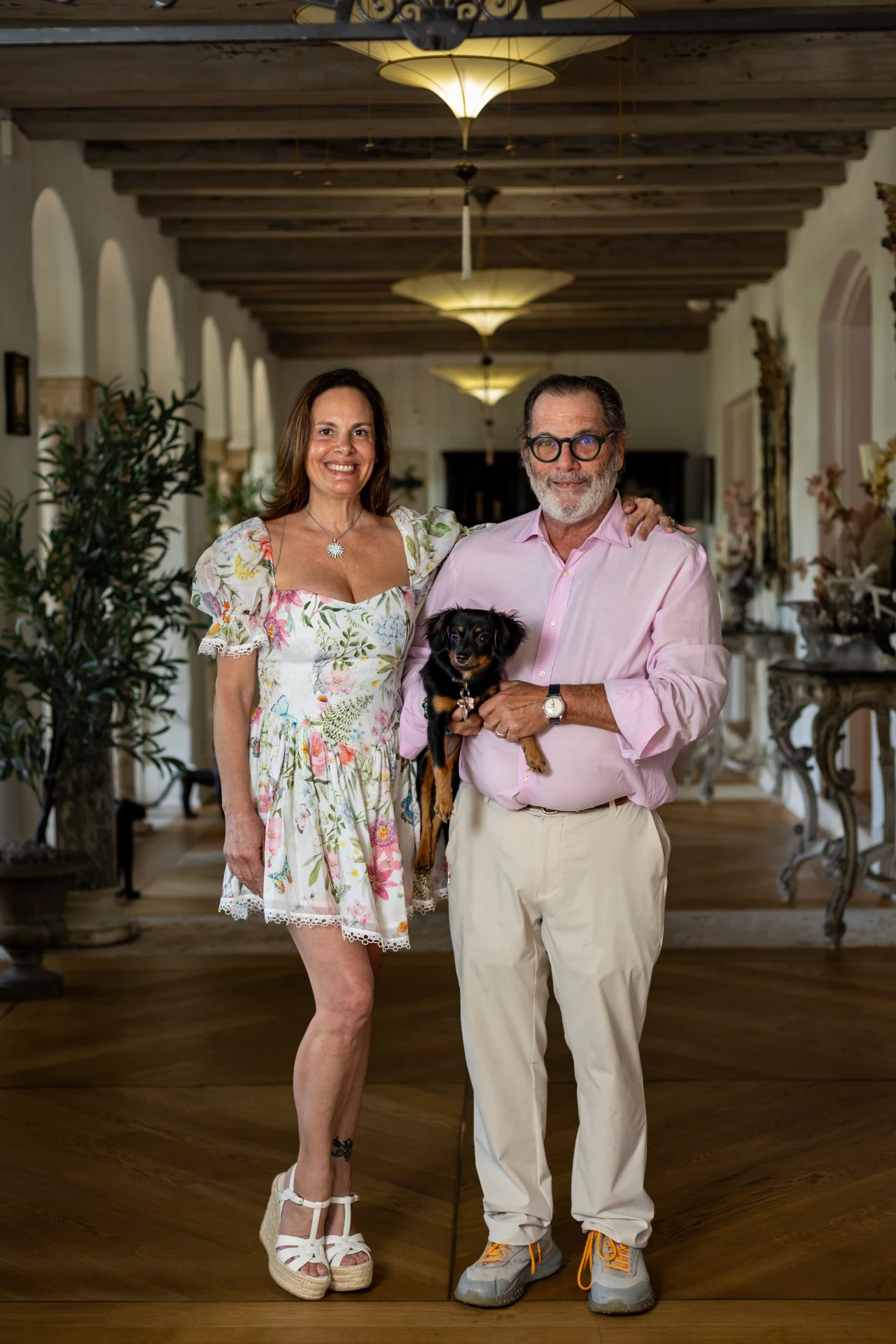
It’s a gray afternoon in mid-November at Coco, the restaurant at the newly completed Vineta Hotel in Palm Beach, near where he lives with his wife, Kim Glaser, and the youngest of his children. The restaurant is so fancy that there’s a menu for dogs. A $23 dish called “Vanity Fur” features seared Ora king salmon and steamed farm greens.
The new hotel is evidence, Glaser says, of the type of sustained investment driving the state’s boom. “The amount of money that has being invested—we’ve never seen this,” says Glaser.
After lunch, he takes me for a look at some of Palm Beach’s most valuable real estate from the water, on his circa-1930s cruising houseboat, Sea Tabby. He points out the homes of tech billionaires, cosmetics tycoons and socialites. Finally, we visit Glaser’s personal home, a 16,000-square-foot Mediterranean-style estate that he is listing for $59 million. Glaser frequently buys and sells homes of his own.


In the garage, he keeps a string of classic cars, including a 1971 Mercedes-Benz 280SE and two Ferraris. A Maybach in front is monogrammed with his initials.
How much money has Glaser actually made in the real-estate game? He can’t, or won’t say.
“I never add my s–t up, ever,” he says.


Glaser grew up in a very different South Florida. His working-class Jewish family lived in a rented two-bedroom apartment on the Bay Harbor Islands in Miami. His father was a hair stylist at the Americana, a resort hotel, while his mom stayed home with the children. Glaser was dyslexic and struggled with schoolwork.
Glaser recalls surfing with his friends on South Beach at a time when Miami was the epicenter of the violent cocaine and marijuana trade, and being pulled over by police who suspected they were there to buy drugs. Glaser still considers himself “a hippie.” He routinely smokes marijuana and, when I meet him, is wearing a beaded turquoise bracelet.
As a teenager, Glaser was a waiter at the Regency Hotel, where he got a front row view of how the wealthy lived. Once, when his father struck a deal for some hair pieces with the maître d’ at the legendary Petite Marmite restaurant in Palm Beach, the family scored a table there. On the way, they passed Mar-a-Lago. Back then, it was best known as the former home of cereal heiress Marjorie Merriweather Post.
“I went, ‘whoa!’” Glaser remembers. “I want a house like that.”


After high school, Glaser went to work designing fire-protection systems for residential and commercial buildings. Sitting in long meetings with contractors, he became interested in the development business. In 1989, he had saved up enough to buy a $180,000 Key West-style wood-frame house in Coconut Grove. He was soon approached by a location scout for the supermarket Publix. They wanted to film a commercial there and offered him almost $30,000, enough to cover two years of mortgage payments. He was in business.
Glaser keeps a running list of properties he has bought, sold and built. As of mid-November, it was about 200 long. Homes he’s built have been purchased by celebrities such as director Michael Bay and wrestler Hulk Hogan. He bought Jeffrey Epstein’s house for $18.5 million in 2021, demolished it and sold the land for $25.8 million later that same year.
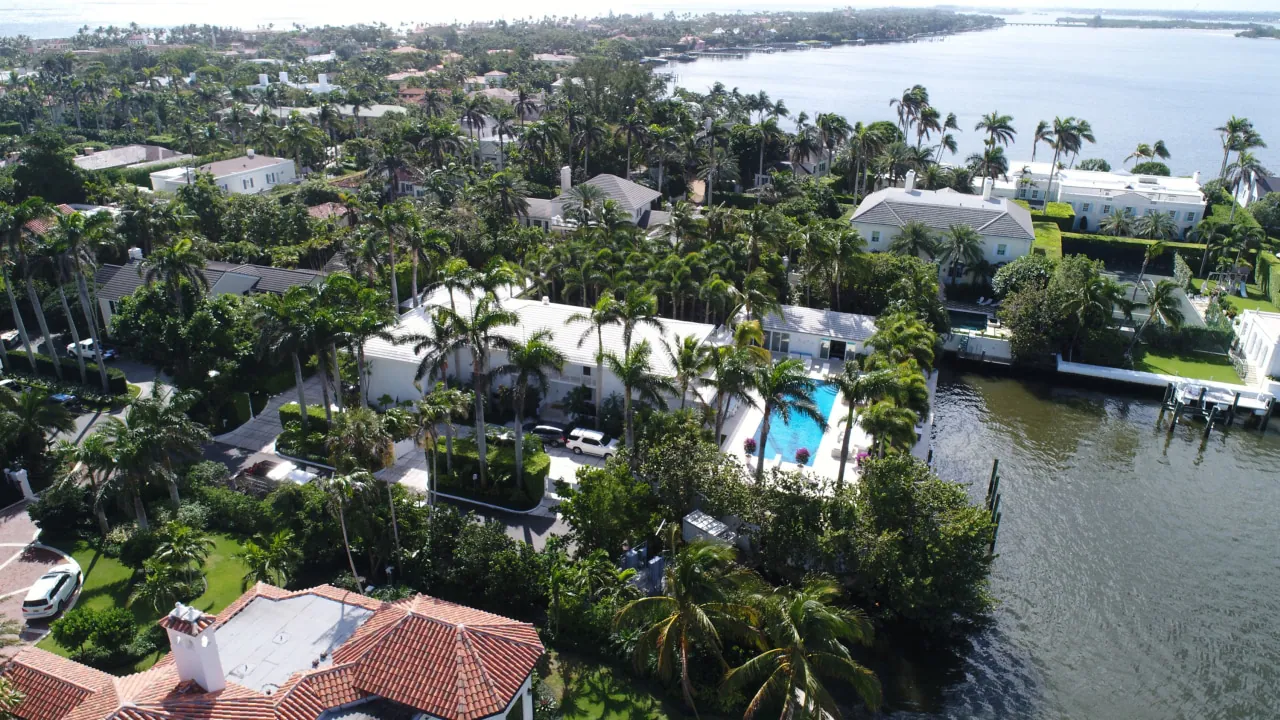
Covid supercharged the market beyond even Glaser’s wildest dreams, as affluent residents of the Northeast migrated south amid a boom in remote work.
Glaser’s biggest deal: the renovation of a nearly 29,000-square-foot home on Tarpon Island, a 2-acre private island in Palm Beach, which he sold for $150 million in 2024. Glaser had bought it with partners for $85 million in 2021.
Glaser says he makes his money on the buy, in what he refers to as “legalized insider trading.”
By spotting gaps between seller expectations and where the market is headed, he pounces with lightning speed.
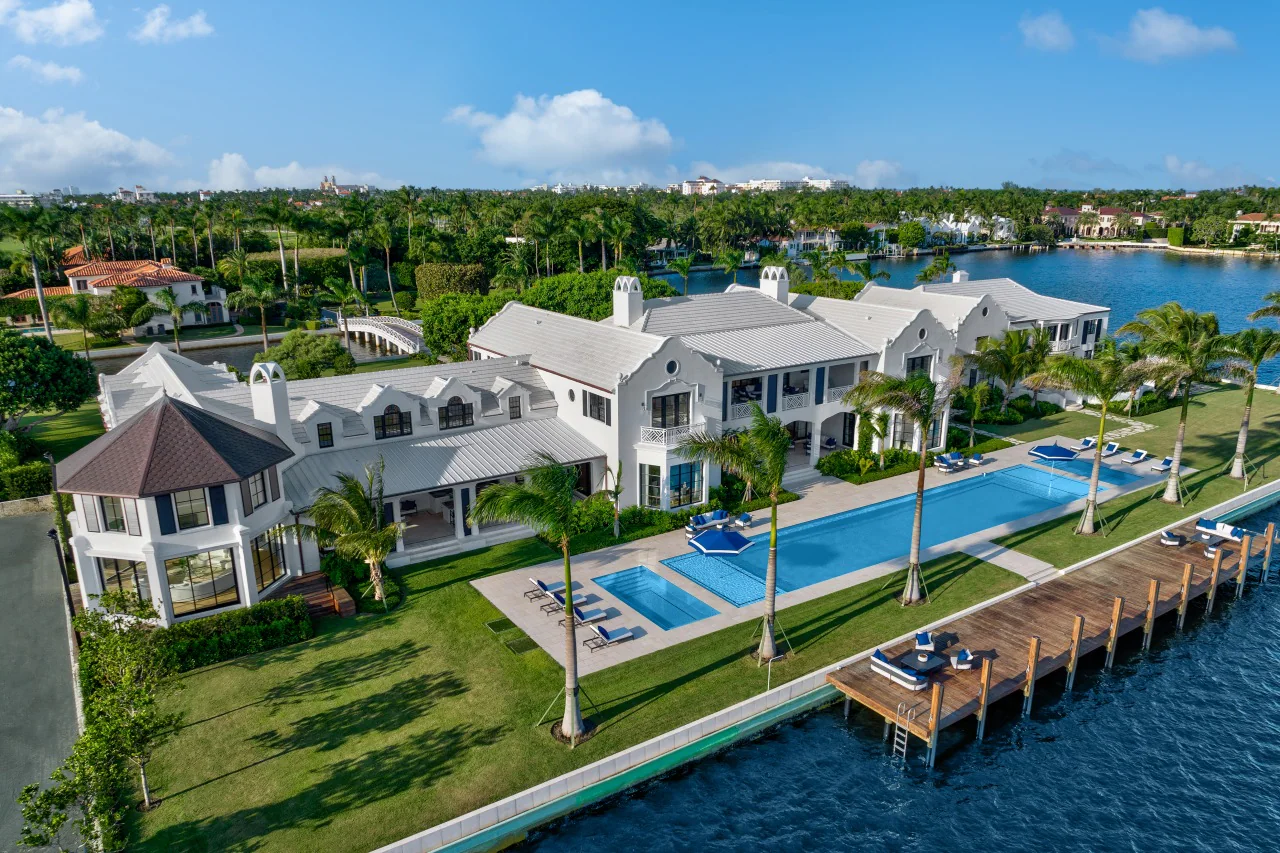
That pace consumes him; his wife of 25 years complains that he never misses a work call. “It’s like a drug to him,” says Kim.
“If I miss a call, it’s $5 million,” Glaser retorts. “You know how many bags and earrings that buys?”
She rolls her eyes.
If an agent doesn’t deliver his offer to a seller fast enough, he has driven over to the house himself: “I knock on the door and say, ‘I’m Todd Michael Glaser. I emailed this to your agent, but I want to make sure you get it.’”
Gonzalez says Glaser knows the market so well that he doesn’t even need to see a property before he makes an offer.
“His mentality is to tie it up first, and then go see it,” Gonzalez says.
At this point, Glaser has bought and sold so many properties that his name has become a liability, he says, with sellers upping the price when they hear he’s the buyer. In recent years, he has resorted to buying in partners’ names instead.
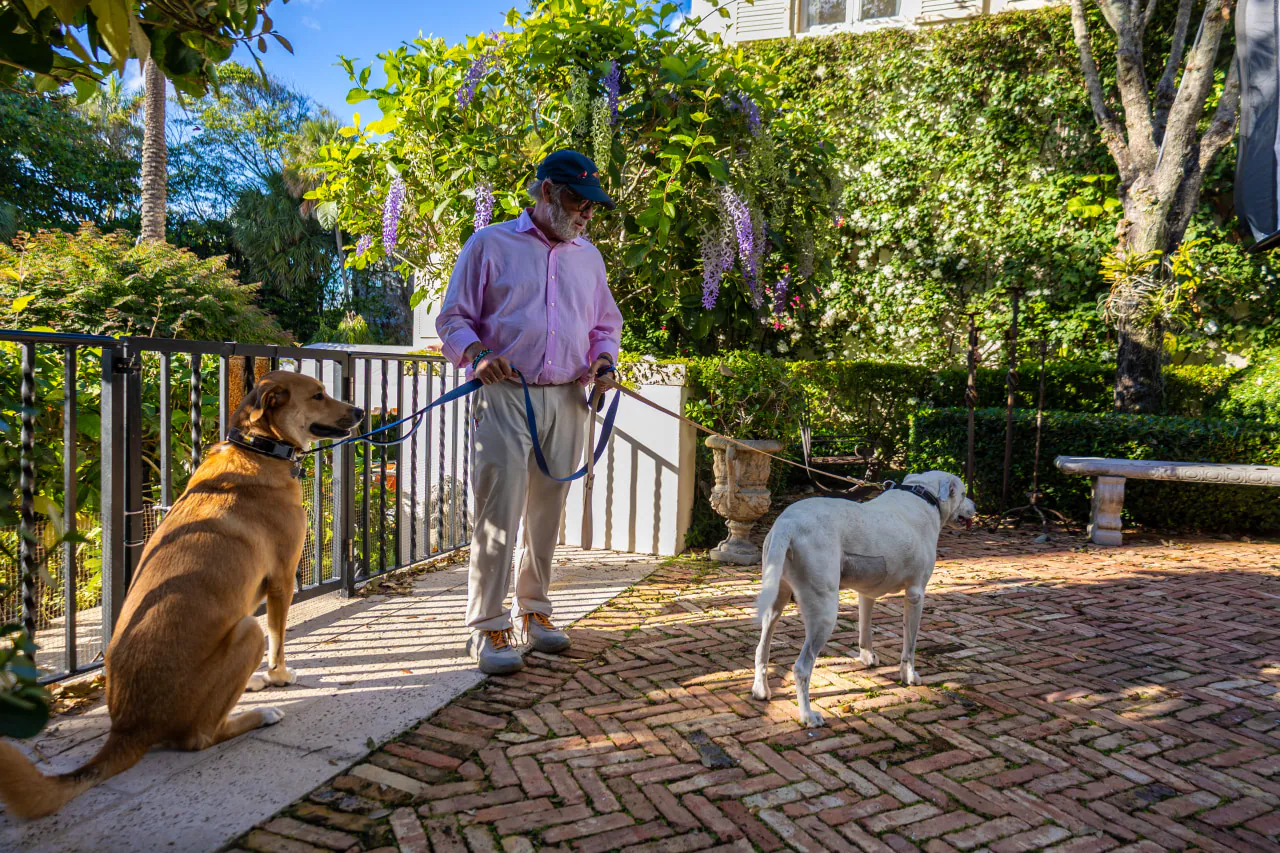
Glaser is superstitious about his deals. He was unshaven during our meeting, he says, because he has contracts signed that haven’t closed yet.
“I won’t shave until I close,” he says. “So, if it’s a six-month closing, I look like a Rabbi.”
In his pocket, he keeps his father’s mezuza, a small parchment scroll inscribed with Hebrew verses, but he’s dabbling in Christian symbols, too. An avid golfer, his golf ball marker features an image of St. Joseph, which he says brings him luck with sales. When he was about to sell Tarpon Island, he says, he dug a hole in the ground and buried a statue of the saint.
The epicenter of the world
In the years since Covid, the Palm Beach and Miami markets have continued to accelerate, propelled by stock market growth and an influx from Silicon Valley. Billionaires like hedge fund titan Ken Griffin, along with tech moguls like Zuckerberg and Google’s Larry Page, have gobbled up nine-figure estates.
That demographic won’t flinch at a $300 million house in a few years’ time, Glaser says. He’s continuing to buy more properties, even as the prices have become too rich for other developers. He is in contract to pay $36.5 million for a home in Manalapan, the Palm Beach County community where Larry Ellison lives. For the first time in his career, he says, institutional investors are taking a look at the spec-home market and expressing interest in his deals.
When I ask Glaser what makes him so confident that the market’s hot streak will continue, he asks the waitress at Coco for a piece of paper. On it, he sketches out a map of America. He writes “blue” across the country, then “red” on Florida. The rest of the country experiencing a blue wave only makes the sunshine state look more attractive to wealthy Republicans across the county, he says.
Trump has made Palm Beach “the epicenter of the world,” Glaser says, though he adds he isn’t political and hasn’t voted in 10 years. When he attends friends’ events at Mar-a-Lago, he doesn’t stand and applaud when the President enters. “I’m not going to stand up for anybody, especially that guy.”
Agent Dina Goldentayer recalls what Glaser once said to her when she asked if he planned to keep up this pace forever.
“He compared himself to someone who had struck oil,” Goldentayer says. “If you had an oil well underneath you, would you just stop drilling?”
“I’m an animal”
Not everyone is a fan of the temperamental Glaser, who concedes that he can be impatient.
“I don’t wanna know that Jack and Jill went up the hill before Jack fell down and broke his crown,” he quips. “I just wanna know if Jackie is dead.”
“As one of his lawyers put it, you have to manage Todd,” says Gonzalez.
When Glaser first began building spec homes in Miami Beach, neighbors complained bitterly about him tearing down classic Mediterranean-style homes and replacing them with white-box, contemporary mansions.
“Neighbors were coming to the city commission and saying, ‘Our neighborhoods are being transformed into commercial development sites and these new homes are so large and overwhelming,’” says Daniel Ciraldo, former executive director of Miami Design Preservation League.
When Glaser announced plans to tear down Al Capone’s onetime Miami Beach house, local preservationists fiercely opposed the demolition of the 1922 Spanish Colonial-style estate. Glaser, who bought the property in partnership with Gonzalez, says the media buzz helped them quickly flip the property, which was demolished by a subsequent owner. “We owned it for a month and made $5 million,” Gonzalez says.
Local agents say Glaser’s propensity to flip contracts has also irked sellers and brokers. They see Glaser’s behavior as manipulating the system: tying up properties by putting them under contract and then making calls to see if he can score a profitable flip.
“He’s like P.T. Barnum,” says local agent Dana Koch. “He’s a promoter.”
When Glaser recently nixed a $160 million deal for a Palm Beach oceanfront estate after going public in the press about the contract signing, the seller’s agent was unimpressed, Glaser says. Talking publicly about his deal for the property, which had been asking $185 million, let future buyers know that the seller would part with the property for significantly below ask.
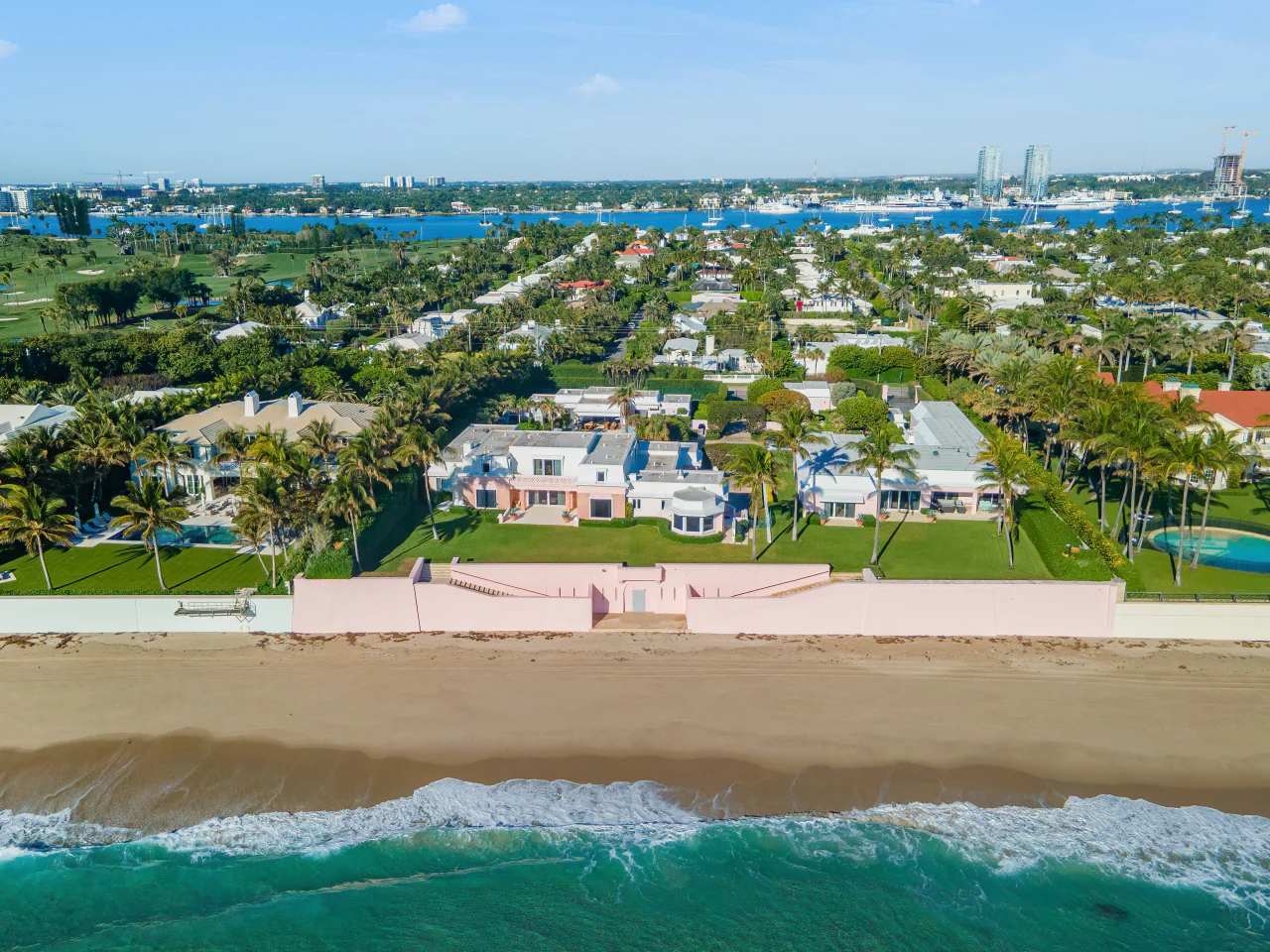
Glaser didn’t care. “They should have made me sign an NDA,” he says. “They know I’m an animal.”
Glaser says he sent the agent a YouTube link to the Kenny Rogers tune “The Gambler,” which features the lyric: “You got to know when to hold ‘em, Know when to fold ‘em.”
Write to Katherine Clarke at [email protected]











