
 E-Paper




China to cut import tariffs on soybean, other items from India amid trade war with US
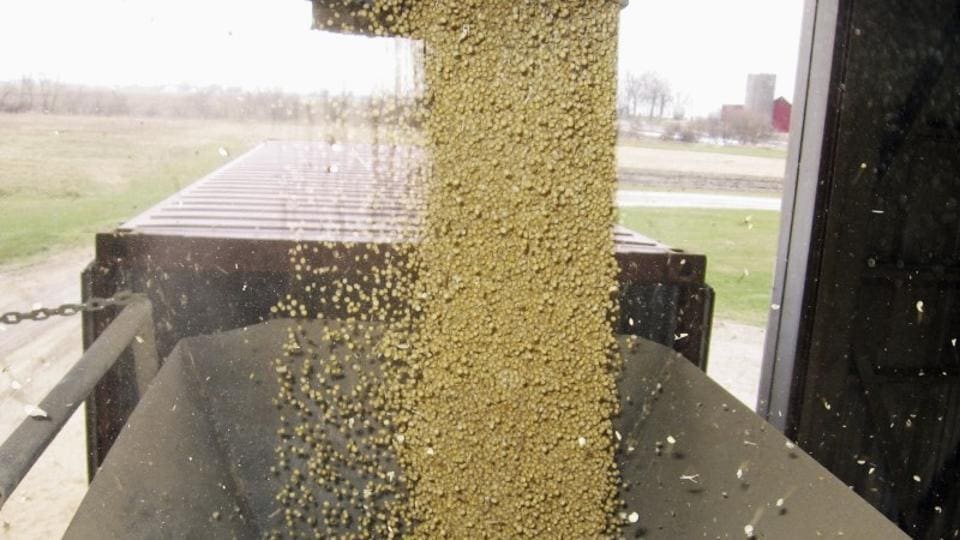
China will reduce tariffs on soybean imported from India, South Korea, Bangladesh, Laos, and Sri Lanka from the current three per cent to zero.

 Prefer HTon Google


China on Tuesday announced it will cut tariffs on soybean imports from India and four other Asia-Pacific countries to zero and reduce duties on a few more items as Beijing prepares for a looming trade war with Washington.
The reduction of duties, announced by the State Council or China’s cabinet, will take effect from July 1. The decision reflected Beijing‘s efforts to seek alternative sources of items it needs at competitive products.
“China will reduce the tariffs on soybean imported from India, South Korea, Bangladesh, Laos and Sri Lanka from the current 3% to zero,” the State Council said in a brief statement.
“Imported products such as chemicals, agricultural products, medical supplies, clothing, steel and aluminium products from these countries will also enjoy certain tariff reductions,” added the statement that was quoted by state-run media.
All imported products from these five countries will “adapt a tariff rate of the Second Amendment of The Asia-Pacific Trade Agreement”, the statement said.
The State Council’s announcement came amid a tit-for-tat tariff spat between the world’s two largest economies, China and the US, following pressure from President Donald Trump to reduce a $375-billion deficit in bilateral trade.
Last week, Trump threatened to impose 10% tariffs on additional Chinese goods worth $200 billion.
According to Reuters, soybean is China’s biggest agricultural import from the US by value.
In April, India had offered to help China meet its demand for soybean and sugar in the wake of Beijing proposing hefty duties on imports of American commodities because of trade tensions with Washington.
New Delhi made the offer during a bilateral economic dialogue, which was led on the Indian side by Niti Aayog vice-chairperson Rajiv Kumar.
He had said Beijing annually imports agricultural products worth billions of dollars but it had recently proposed duties on the two commodities usually imported from US states such as Iowa.
India, according to Reuters, grew 11 million tonnes of soybeans in the 2016-17 marketing year, but only exported 269,000 tonnes, according to data from the US department of agriculture. However, India exported just over two million tonnes of soymeal globally.











