Hair loss is often something men tend to overlook until it becomes visibly noticeable. A receding hairline, thinning crown or excessive shedding may initially be dismissed as stress, changing weather or a temporary concern. Some turn to hair oils and shampoos, while others assume that hair loss is inevitable, particularly if it runs in the family. However, dermatologists believe that delaying a consultation can mean losing valuable time when it comes to managing hair loss.
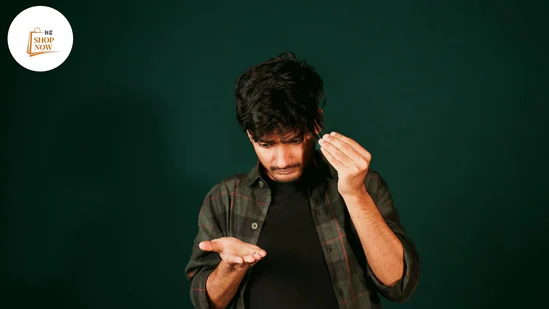
The concern is also affecting younger men. According to this year's Man Matters Hairfall Index, based on over 7 lakh hair loss consultations, three in ten men seeking help were in their 20s, while nine in ten were under 35. This highlights how hair loss is no longer just a concern associated with ageing.
Dermatologists emphasise why men need to pay closer attention to their hair health, understand the reasons behind hair fall and seek timely medical advice rather than relying on guesswork.
Why do men tend to ignore hair fall?
According to Dr Tasneem Murtuza Banswarawala, MBBS, Dermatologist at Man Matters, most men do not seek professional help as soon as they notice hair fall. They often wait for months, experimenting with different shampoos, applying oils recommended by acquaintances or assuming that stress is responsible for the shedding.
However, hair fall is a symptom and not a diagnosis. While genetics can play a significant role, other factors such as lifestyle changes, poor sleep, crash dieting, nutritional deficiencies and stress can also contribute to hair loss.
{{/usCountry}}However, hair fall is a symptom and not a diagnosis. While genetics can play a significant role, other factors such as lifestyle changes, poor sleep, crash dieting, nutritional deficiencies and stress can also contribute to hair loss.
{{/usCountry}}Two men experiencing similar hair thinning may have entirely different underlying causes. This makes a professional consultation and hair assessment important before starting any treatment.
Dr Mikki Singh, Board-Certified Dermatologist and Cosmetologist, Founder and Medical Director at Bodycraft Clinics, observes that men often seek help only when hair loss becomes obvious. Many attribute it to stress or assume that they will eventually go bald because of their family history.
She points out that hair loss in men is a medical concern rather than merely a cosmetic issue. Identifying the cause early can help dermatologists recommend appropriate treatment and set realistic expectations about the results.
What are the common causes of hair loss in men?
Male pattern hair loss, medically known as androgenetic alopecia, is one of the most common causes of hair thinning in men. It is associated with genetic sensitivity to dihydrotestosterone (DHT), a hormone that gradually causes susceptible hair follicles to shrink.
As the follicles become smaller, the hair grows back thinner, shorter and weaker. Over time, this can result in visible thinning or baldness, particularly around the temples and crown.
However, genetics and hormones are not the only reasons behind hair loss. Other possible causes include:
Telogen effluvium: This condition causes excessive hair shedding, often two to three months after an illness, high fever, surgery, crash dieting or a period of significant stress.
Nutritional deficiencies: Inadequate iron, vitamin D, vitamin B12 or protein intake can contribute to hair shedding.
Thyroid imbalance: Thyroid-related hormonal changes can affect the hair growth cycle.
Scalp conditions: Severe dandruff, seborrhoeic dermatitis and fungal infections can affect scalp health and contribute to hair concerns.
Alopecia areata: An autoimmune condition that can cause sudden, patchy hair loss, often appearing as coin-shaped bald spots.
Certain supplements and steroids: Some bodybuilding supplements and anabolic steroids can aggravate hair loss in men who are genetically predisposed to male pattern baldness.
Understanding the underlying cause is essential because different types of hair loss require different approaches to treatment.
Early warning signs of hair loss men should not ignore
Losing around 50 to 100 hair strands a day is generally considered normal. However, a noticeable change in hair density, texture or hairline deserves attention.
Dr Singh recommends consulting a dermatologist if you notice:
- A visibly receding hairline, particularly around the temples.
- Thinning around the crown, which becomes more noticeable in photographs or under bright lighting.
- More hair than usual on your pillow, in the shower or in your comb.
- Hair that feels finer, weaker or flatter than it did a year ago.
- Patchy bald spots or persistent itching, flaking and redness on the scalp.
- A family history of significant hair loss, particularly among your father, grandfather or brothers.
She says that these signs do not necessarily indicate permanent hair loss, but they warrant an assessment to understand what is happening.
What treatments are available for male hair loss?
The good news is that hair loss can often be managed with the right diagnosis and timely intervention. Depending on the cause and stage of hair loss, a dermatologist may recommend a combination of medical treatments, in-clinic procedures and lifestyle corrections.
1. Medical treatments
Prescription-based treatments can help address specific causes of hair loss. Some work by targeting the DHT pathway, while others help stimulate hair follicles and support hair growth. These treatments should only be used under medical supervision, as their suitability and potential side effects vary from person to person.
2. PRP and GFC therapy
Platelet-rich plasma (PRP) and growth factor concentrate (GFC) are in-clinic procedures that use components derived from the patient's blood. They are used to support scalp and hair health and may be recommended in selected cases.
3. Peptide-based treatments and microneedling
Certain peptide-based injectable treatments may be used to support weakening follicles and improve hair density. Microneedling-assisted treatments are another option that dermatologists may consider depending on the patient's condition and treatment goals.
4. Correcting nutritional deficiencies and scalp conditions
If hair loss is linked to nutritional deficiencies, thyroid imbalance or an underlying scalp condition, addressing these concerns is an important part of treatment. Correcting deficiencies and managing inflammation or infections can help improve hair health.
The treatment approach depends on the diagnosis, which is why self-medication and blindly following someone else's hair care routine may not deliver the desired results.
How long does hair loss treatment take to show results?
Hair loss treatment requires patience and consistency. According to Dr Singh, visible improvements may take around three to six months, depending on the underlying cause, treatment and individual response.
It is also important to understand that conditions such as male pattern hair loss are chronic and may require ongoing management. Treatment can help slow down progression and preserve existing hair, but it is not necessarily a one-time cure.
Dr Banswarawala also stresses the importance of setting realistic expectations. Some forms of hair loss may be reversible, while others can be slowed down and managed with appropriate treatment. Understanding the cause and stage of hair loss helps determine what outcomes are possible.
The takeaway: Don't wait for hair loss to become obvious
Hair health deserves the same attention as other aspects of physical well-being. Just as men seek medical advice for persistent health concerns, they should not hesitate to consult a dermatologist when they notice unusual hair shedding or thinning.
The earlier hair loss is assessed, the better the opportunity to identify its cause and explore suitable treatment options. Rather than experimenting with multiple shampoos, oils or supplements, start with a professional scalp evaluation.
The message from dermatologists is simple: don't dismiss hair loss as something you have to live with. Pay attention to the early signs, seek the right diagnosis and take informed steps towards better hair health.
Similar articles for you
Long-lasting perfumes for winter: Fragrances that keep you smelling irresistible all season
Bullet lipsticks: Why this classic makeup essential deserves a place in your everyday beauty routine
At Hindustan Times, we help you stay up-to-date with the latest trends and products. Hindustan Times has an affiliate partnership, so we may get a part of the revenue when you make a purchase. We shall not be liable for any claim under applicable laws, including but not limited to the Consumer Protection Act, 2019, with respect to the products. The products listed in this article are in no particular order of priority.
