
 E-Paper





5 ways emotionally dysregulated people behave: Therapist explains
From intense reactions to rapid mood swings, here are a few ways by which emotionally dysregulated people often behave.
Published on: Jul 23, 2024 6:00 AM IST

Share via


Copy link

1/6

Published on Jul 23, 2024 6:00 AM
Emotionally dysregulated people often end up overreacting or underreacting in situations. This happens because their nervous system is constantly in fight or freeze mode. “Emotional dysregulation can manifest in various behaviors that disrupt an individual's daily life and relationships,” wrote Therapist Linda Meredith as she shared five ways by which emotionally dysregulated people usually behave. (Unsplash)
2/6

Published on Jul 23, 2024 6:00 AM
Intense emotional reactions: They always end up behaving inappropriately to situations. Even situations where they are mildly upset, they end up having big reactions. (Unsplash)
3/6

Published on Jul 23, 2024 6:00 AM
Rapid mood swings: Emotionally dysregulated people experience sudden shift in mood, without having clear reactions for their rapid mood changes. (Unsplash)
4/6
Published on Jul 23, 2024 6:00 AM
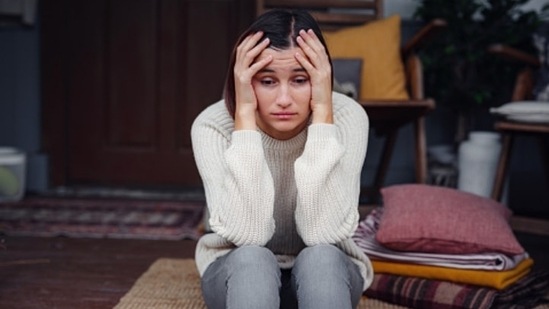
Difficulty calming down: Prolonged periods of distress and the inability to manage their emotions often do not allow them to calm down easily. (Unsplash)
5/6
Published on Jul 23, 2024 6:00 AM
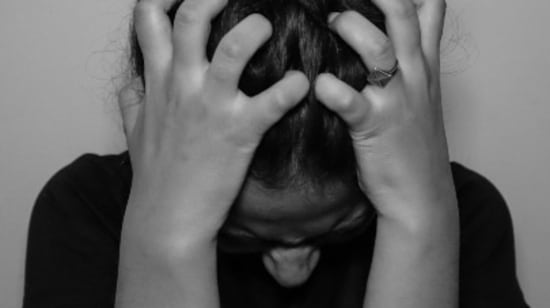
Impulsive behaviours: Decisions are usually made without thinking much which can lead to other consequences. Impulsive behaviours show up in spending habits, reactions to stress and relationships. (Unsplash)
6/6

Published on Jul 23, 2024 6:00 AM











