
 E-Paper






Anukriti Srivastava thrives at the intersection of words and voice, where journalism meets storytelling. A digital editor and journalist with over 5 years of experience, she has written across lifestyle, women issues, relationships, entertainment, fashion, and travel. She did her Masters in Broadcast Journalism and has published more than 500+ lifestyle content pieces across platforms. As a former Sub-Editor at HerZindagi, she produced engaging digital content, interviews, and event coverage for a wide audience. She has also contributed as a Webstory Producer with Travel + Leisure, transforming travel experiences into immersive stories for readers who love exploring the world. Beyond writing, Anukriti’s storytelling extends to the microphone. As a voice-over artist, her warm and expressive voice has brought scripts to life across audio platforms, turning simple words into immersive experiences. Her work reflects a deep interest in people, culture, and everyday stories that resonate with readers and listeners alike. She enjoys crafting content that informs, inspires, and sparks curiosity. Away from screens and studios, you’ll find her reading self-help books, listening to music, getting lost in romantic novels, and playing the guitar for a creative reset. For Anukriti, storytelling isn’t just a profession—it’s a way of seeing and sharing the world.
Healthy eating does not always mean a happy gut: Understanding the common reasons behind post-meal bloating


From sudden fibre increases to food sensitivities, an expert explains why you may feel bloated despite eating healthy.
You’ve had a lunch of dal, sabzi and roti. A few hours later, your waistband feels tight. It’s easy to blame the last thing you ate, but the same meal might sit perfectly well on another day. How much you ate, how quickly you ate and what you drank with it can all make a difference. In an interview with HT Lifestyle, Nupur Gulati, a certified nutrition coach, entrepreneur and fitness enthusiast, explained the reason behind post-meal bloating.
Also read | Fertility after 30: Doctor debunks common myths and explains how age affects reproductive health
What is bloating?
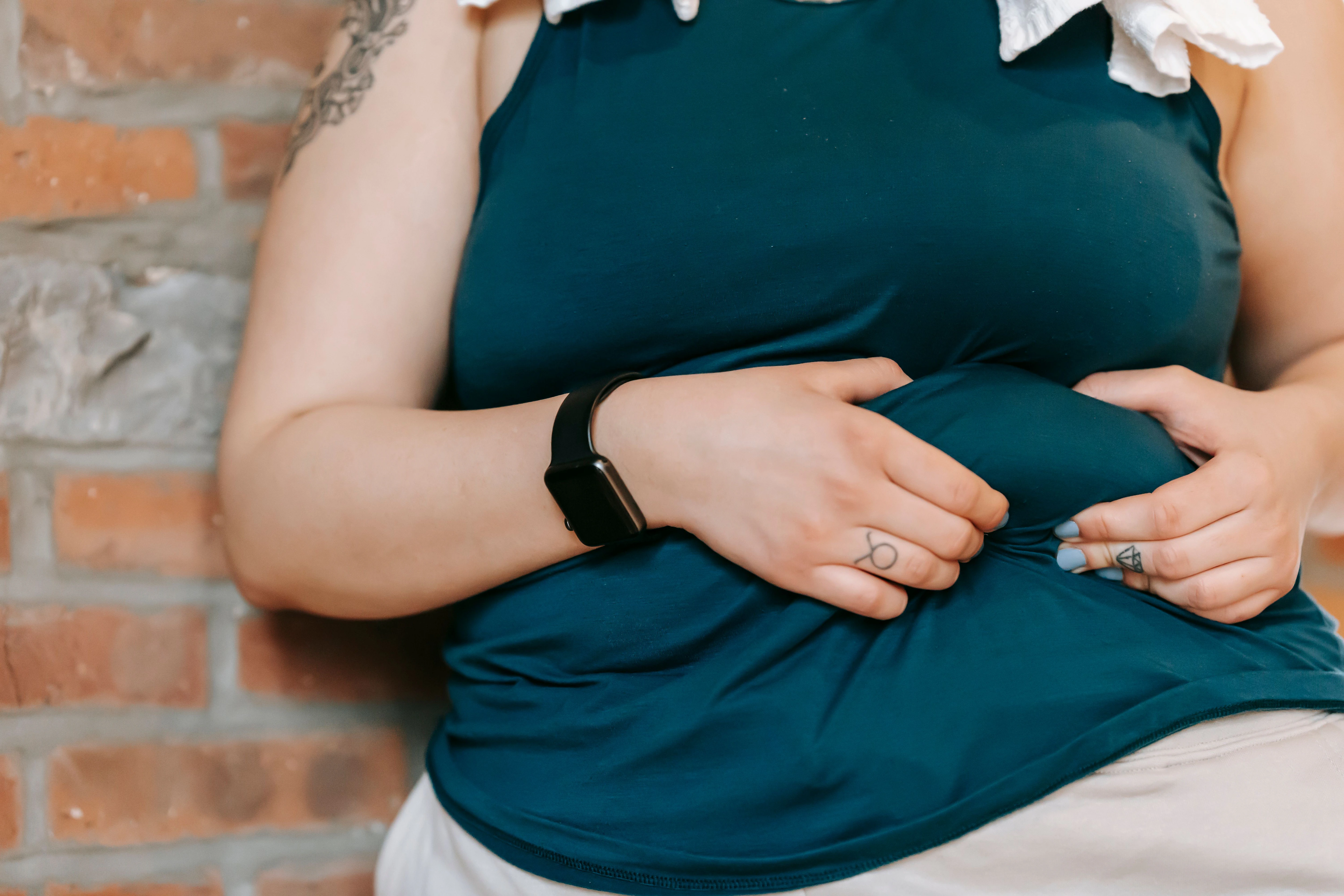
Bloating is the feeling of fullness, pressure or tightness in the abdomen. When the abdomen visibly expands, doctors call it distension. A large meal stretches the stomach, and as food moves through the digestive tract, gas can add to that feeling of pressure. A huge meal can stretch your stomach and leave you feeling bloated. But you can experience the same tightness even after a small meal.
Reasons behind bloating
According to Gulati, one reason is eating large portions of fibre-rich foods. A big bowl of raw salad can leave you feeling full simply because of its volume. Another reason could be eating large portions of foods such as rajma or chana. These pulses contain certain carbohydrates that pass through the small intestine without being fully digested. “When gut bacteria break them down in the large intestine through a process called fermentation, gas is produced. You might notice more bloating after a large serving or when you increase your fibre intake suddenly,” explained Gulati.
Fizzy drinks are another common trigger. They contain carbon dioxide, which adds gas to your digestive tract. Eating quickly, drinking through a straw or chewing gum can also make you swallow more air.
Sometimes, the pattern points to a specific ingredient. If you’re lactose intolerant, your small intestine produces too little lactase, the enzyme that breaks down the natural sugar in milk. The undigested lactose reaches the large intestine, where bacteria ferment it and produce gas. This can lead to bloating! Sorbitol, a sweetener found in some sugar-free sweets and chewing gums, can have a similar effect.
What can you do about it?
Gulati advises to start with smaller servings of fibrous foods such as raw salads or chana and build up gradually. Swap fizzy drinks for still water, sit down to eat and take time to chew. Drink water regularly throughout the day, especially as you increase your fibre intake. If you suspect a particular ingredient, spend a few days noting what you ate and which foods caused bloating so you can identify the trigger. If regular milk seems to be a recurring trigger, try lactose-free milk. Change one thing at a time.
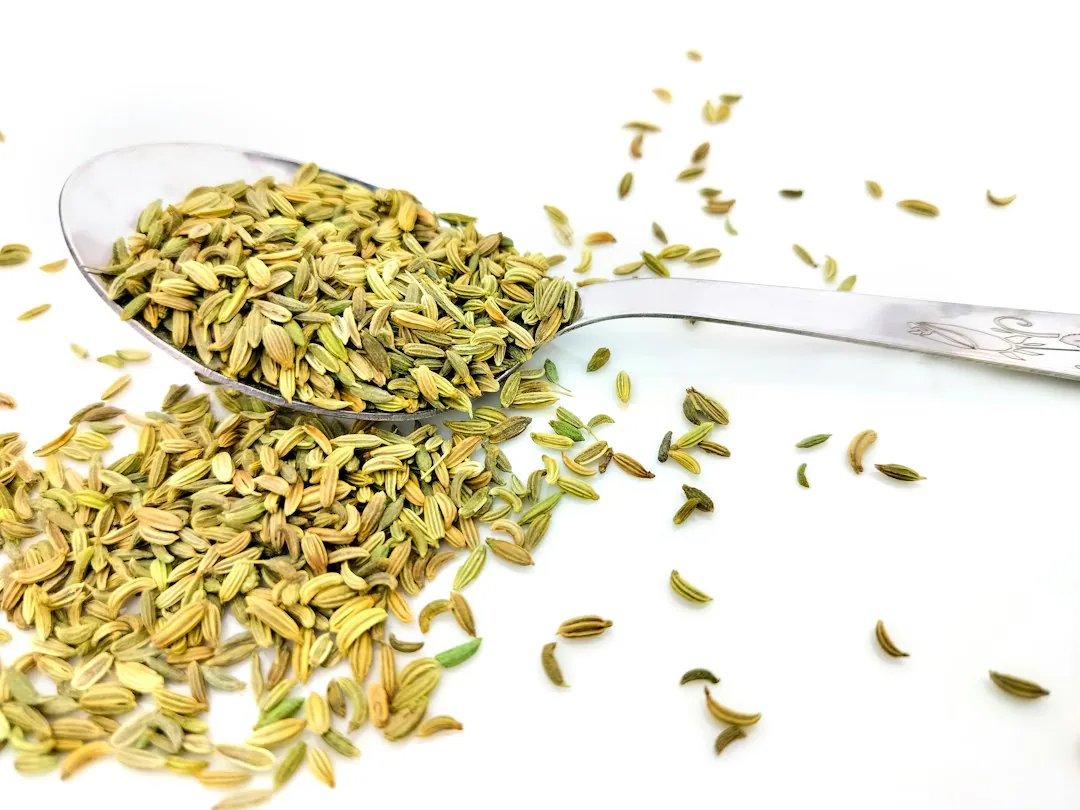
Another hack is to chew a teaspoon of saunf after a meal or drink saunf pani, made by steeping a teaspoon of fennel seeds in hot water. Fennel is traditionally used for mild gas and bloating.
A gentle 10–15-minute walk after meals can help gas move through your digestive tract and ease that feeling of fullness and bloating. Chamomile tea or green tea can also be a soothing way to end a meal if you’re feeling bloated.
Note to readers: This article is for informational purposes only and not a substitute for professional medical advice. Always seek the advice of your doctor with any questions about a medical condition.
ABOUT THE AUTHOR

Catch your daily dose of Fashion, Taylor Swift, Health, Festivals, Travel, Relationship, Recipe and all the other Latest Lifestyle News on Hindustan Times Website and APPs.











