
 E-Paper






Adrija Dey’s proclivity for observation fuels her storytelling instinct. As a lifestyle journalist, she crafts compelling, relatable narratives across diverse touchpoints of the human experience, including wellness, mental health, relationships, interior design, home decor, food, travel, and fashion that gently nudge readers toward living a little better. For her, stories exist in flesh and bones, carried by human vessels and shaped through everyday endeavours. It is the small stories we live and share that make us human. After all, humans and their lores are the most natural and raw repositories of stories, and uncovering them, for her, is akin to peeling an orange under a winter afternoon sun. Always up for a chat, she believes the best stories come from unfiltered yapping, where "too much information" is kind of the point. A graduate of Indraprastha College for Women, University of Delhi, and an alumna of the Indian Institute of Mass Communication (IIMC), Delhi, Adrija spends her idle hours cocooned with herbal tea and a gripping thriller, scribbling inner monologues she loosely calls poetic pieces, often with her succulents in attendance. On lazier days, she can be found binge-watching, for the nth time, one from her comfort-show holy trinity: The Office (US), Brooklyn Nine-Nine, or Modern Family. Dancing by herself to her peppy playlists, however, is an everyday ritual she swears by religiously.
From slurred speech to an uneven smile: Doctor shares mini-stroke warning signs and when to call an ambulance


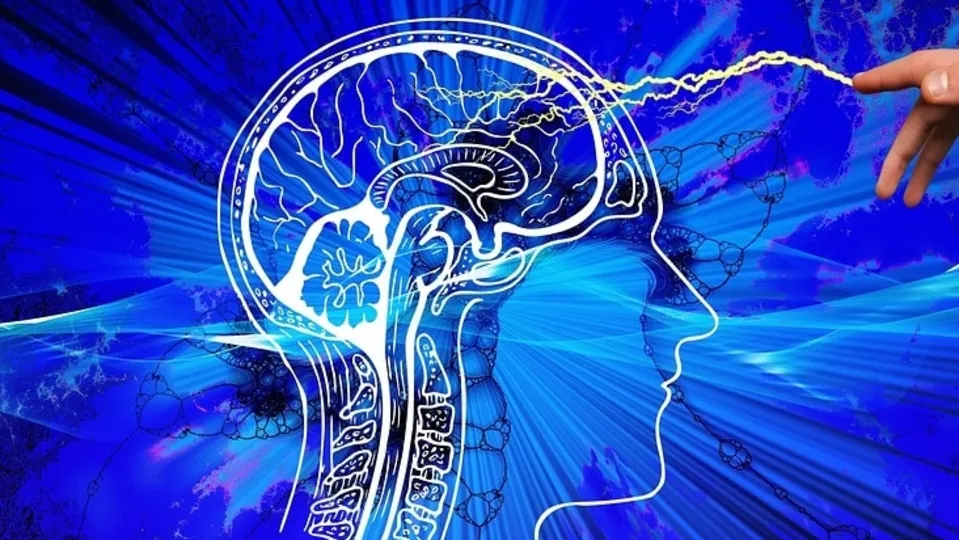
Slurred speech that clears up in minutes may still signal a mini-stroke.
When someone briefly slurs their words and then starts speaking normally again, it is easy to chalk it up to tiredness, especially if they say they feel fine. But such a sudden change in speech can be a sign of stroke.
Dr Atampreet Singh, senior director and head of Institute of Neurosciences at ShardaCare-Healthcity, told HT Lifestyle why a brief episode of slurred speech could be a sign of a mini-stroke and why it is important to call an ambulance straight away, even if the symptoms disappear.
What happens during a mini stroke?
A mini-stroke, or transient ischaemic attack (TIA), occurs when blood flow to part of the brain is briefly interrupted. Dr Singh explained that the first sign may be something a family member hears during a conversation. The person may suddenly slur their words, struggle to finish a sentence or have trouble understanding what is being said.
Other signs can include drooping on one side of the face, weakness or numbness on one side of the body, or sudden loss of vision or balance. But just because the sign went away, it does not mean there is no problem. Dr Singh said, “Although this might only last a few minutes and then clear up, the core problem has not gone away.”
What warning signs should you look for?
A change in speech can show up in different forms. Dr Singh said that some people know exactly what they want to say, but their words sound slurred. Others may struggle to find a familiar word, finish a sentence or understand what someone is saying to them.
Family members should also look out for other changes that come on suddenly, including:
- An uneven smile or drooping on one side of the face.
- Weakness or numbness in an arm or leg on one side of the body.
- Loss of vision.
- Trouble keeping their balance.
Even if slurred speech is the only change you see, call an ambulance straight away. “Anyone who experiences sudden slurred speech or other stroke-like symptoms should seek emergency medical care immediately, even if they recover completely,” Dr Singh said.

What happens after a suspected mini-stroke?
Dr Singh said doctors may recommend brain imaging and other tests to find out what caused the symptoms and determine what treatments the person needs. He added that people with high blood pressure, diabetes, high cholesterol, heart disease or a history of smoking may be at greater risk of stroke. To reduce the risk of a future stroke, he advised keeping blood pressure, blood sugar and cholesterol under control, avoiding smoking and following the treatment prescribed by a doctor.
Note to readers: This article is for informational purposes only and not a substitute for professional medical advice. Always seek the advice of your doctor with any questions about a medical condition.
ABOUT THE AUTHOR
Catch your daily dose of Fashion, Taylor Swift, Health, Festivals, Travel, Relationship, Recipe and all the other Latest Lifestyle News on Hindustan Times Website and APPs.











