
 E-Paper






Debapriya Bhattacharya is a Content Producer at Hindustan Times. He started his career in 2022, working in newsrooms in beats like education, US news, trending stories, and entertainment. In his new role in the lifestyle desk, he seeks to deliver a balanced blend of research-driven reporting and creative storytelling from health and recipes to art and culture. Science, philosophy, food and pop culture are what pump his veins and help bring heart to his stories. Debapriya tries to see out subjects that will allow him and readers to explore new frontiers and improve the quality of life for all. The explorations can be both external and internal, as thoughts seek to be as chaotic as the greater universe. As a citizen of the world, Debapriya has been fascinated by the lives of people across the globe throughout time. His curiosity leads him to explore new linguistic and cultural landscapes to broaden his horizons and deepen his understanding of global narratives. Beyond the newsroom, Debapriya loves to participate in debate and theatre, spaces that he considers to be holy grounds for nuance and self-expression. A graduate from Ashutosh College, University of Calcutta, Debapriya completed his Master's degree from the same university in 2022. An ambiverted bibliophile, he loves his solitude as much as he adores stimulating conversations. And despite his reverence for tech, libraries continue to be his favourite place for research.
Doctor explains how winter food habits can affect kidney health, cautions against loading up on fries and pickles


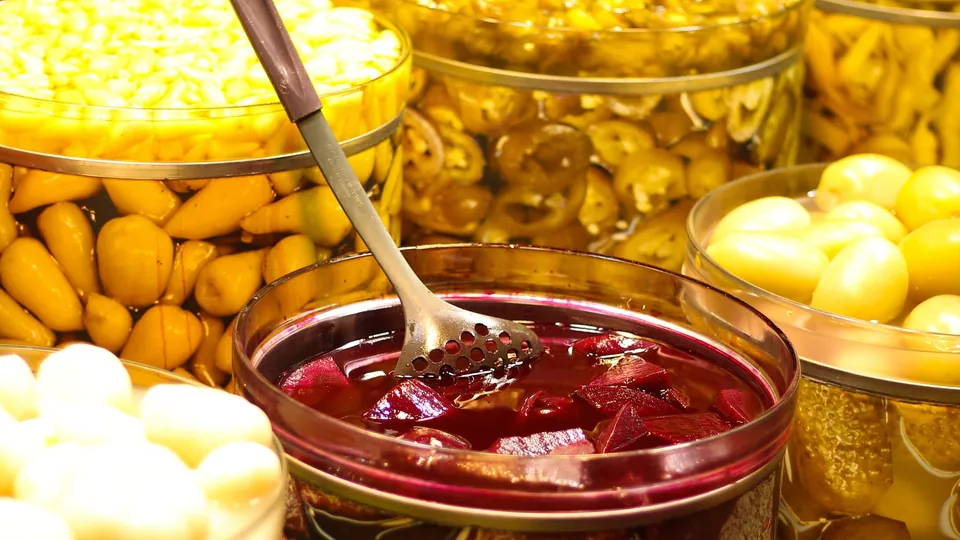
A sunny winter afternoon often feels incomplete without indulging in some flavourful pickles or namkeens; however, that is not always healthy, shares Dr Kalra.
Winter often brings a change in eating habits, with people reaching for comfort foods such as namkeen, pickles, papad, packaged snacks and other salty snacks to munch on under the comforting afternoon sun, in addition to the regular evening snack time.
Also Read | Doctor explains how everyday stress habits like grinding your teeth and clenching jaw can affect oral health
“While these foods may seem harmless when consumed occasionally, frequent intake can contribute to excessive sodium consumption, which can adversely affect kidney health over time,” Dr Vikram Kalra, principal director of nephrology and kidney transplant at Aakash Healthcare Super Speciality Hospital, Dwarka, shared with HT Lifestyle.
How does excess salt affect the kidneys?
Dr Kalra, in an interview with HT Lifestyle, pointed out that the kidneys play an important role in maintaining the body's sodium and fluid balance.
“When sodium intake is consistently high, the body retains more water, which can increase blood volume and raise blood pressure. Persistently elevated blood pressure puts additional strain on the kidneys and can damage the small blood vessels responsible for filtering waste from the blood,” he explained.
According to the physician, this creates a concerning cycle, as declining kidney function can further aggravate hypertension.
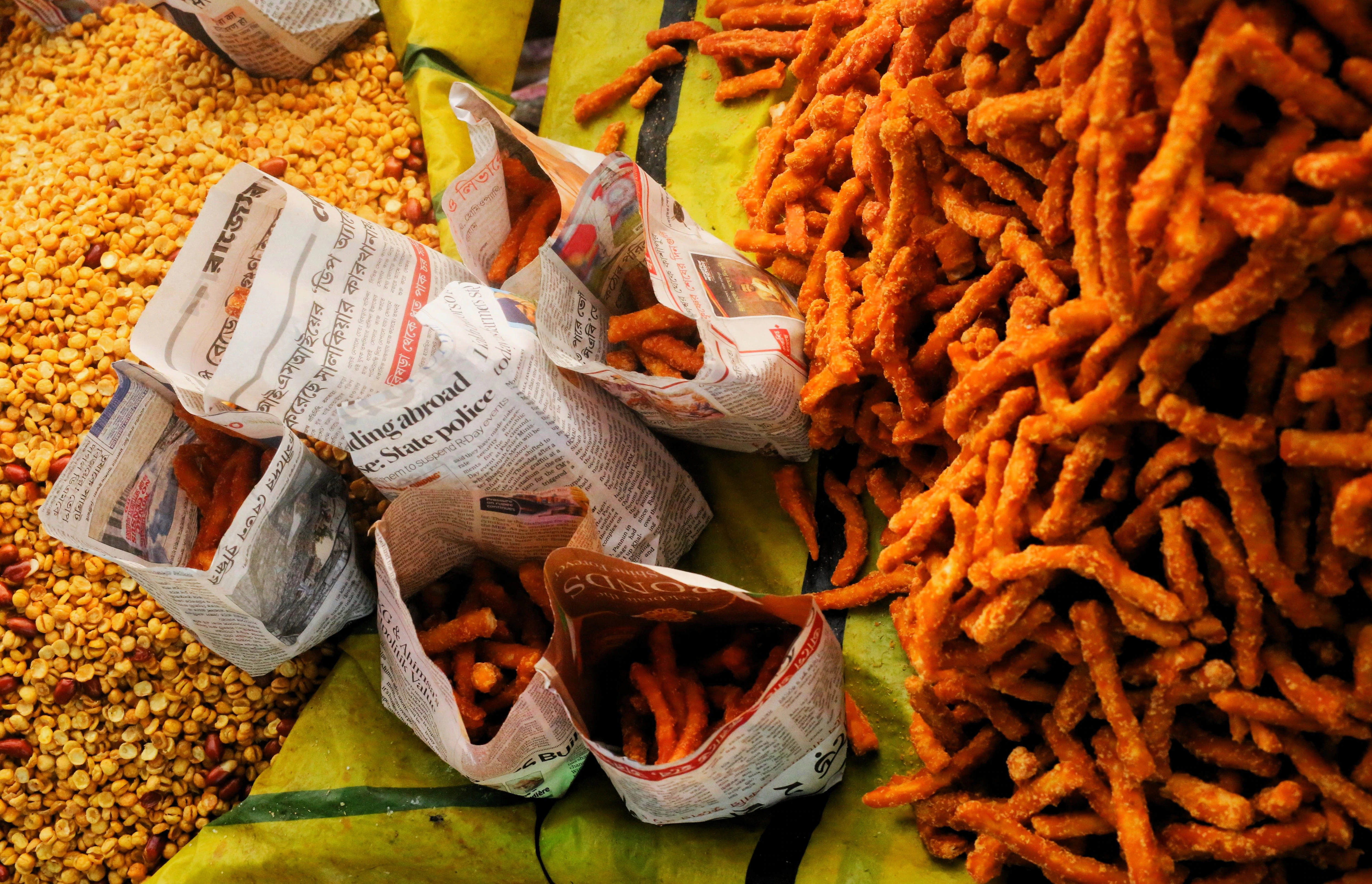
Hidden salt in everyday foods
Dr Kalra noted that people may not always realise how quickly their daily salt intake adds up, particularly when these processed/packaged foods are consumed alongside regular home-cooked meals.
“Individuals with diabetes, hypertension or pre-existing kidney disease need to be especially careful, as they are already at a higher risk of developing kidney complications,” stated the physician.
“Excessive salt intake may also increase urinary calcium excretion in some individuals, potentially contributing to kidney stone formation, particularly when combined with inadequate hydration,” he added.
Simple dietary changes to protect the kidneys
A few simple dietary changes can make a meaningful difference. As per Dr Kalra, that involves:
- Choosing fresh, minimally processed foods
- Reducing the frequency of packaged snacks
- Using herbs and spices instead of excess salt for flavouring
- Checking sodium levels on food labels
- Maintaining adequate hydration
“Healthy kidneys depend on consistent everyday habits rather than occasional dietary restrictions,” expressed the physician. “Being mindful of salt consumption, especially during winter when comfort foods become more tempting, can help protect long-term kidney health.”
Note to readers: This article is for informational purposes only and not a substitute for professional medical advice. Always seek the advice of your doctor with any questions about a medical condition.
ABOUT THE AUTHOR

Catch your daily dose of Fashion, Taylor Swift, Health, Festivals, Travel, Relationship, Recipe and all the other Latest Lifestyle News on Hindustan Times Website and APPs.











