
 E-Paper






Follow the latest breaking news, major developments and agenda-setting stories from India and around the world with the newsdesk at Hindustan Times. Operating round the clock, the desk brings together experienced editors, reporters and correspondents to deliver fast, accurate and contextual reporting across subjects that influence public policy, governance, business, society and international affairs. The HT News Desk covers politics, elections, government policies, the economy, business and markets, science and technology, the environment, law and order, infrastructure, education, climate issues and geopolitics, while closely tracking developments across states, institutions and global capitals. The team also leads coverage of major breaking news events, policy announcements, court proceedings, natural disasters, public emergencies and significant international developments. Reports published by the newsdesk are based on information gathered from reporters on the ground, official statements, government agencies, court records, regulatory filings, recognised institutions and other authoritative sources. Stories undergo editorial scrutiny and verification processes to ensure accuracy, fairness and relevance, and are updated as events evolve and additional information becomes available. Whether covering a key political decision in New Delhi, an economic policy shift affecting millions, a landmark court ruling or a major global event, the HT News Desk aims to provide readers with reliable, fact-based journalism that delivers not only the latest developments but also the context and analysis needed to understand their wider implications.
Defence ministry to have final say on closure of roads in army cantonments
The defence ministry will have the final word on the closure of roads in cantonments, reveals a new government directive, amid concerns flagged by soldiers, their families and veterans that opening these roads to civilians will compromise security.


The defence ministry will have the final word on the closure of roads in cantonments, reveals a new government directive, amid concerns flagged by soldiers, their families and veterans that opening these roads to civilians will compromise security.
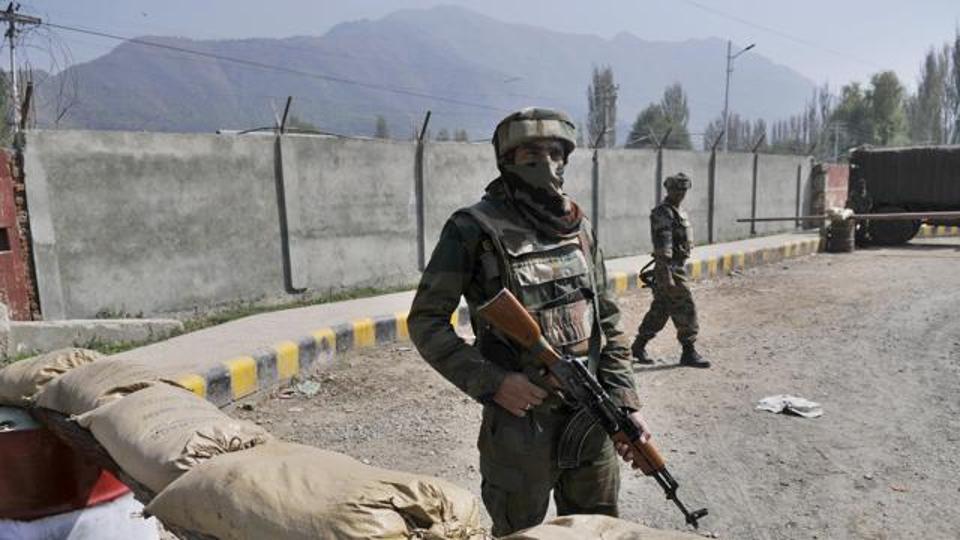
Instructions issued by the ministry on Monday lay down that proposed orders for road closure will have to be forwarded to the ministry for legal vetting.
The vetting will be done after draft orders have been published in at least three local newspapers and the cantonment board’s website, and the objections and suggestions from the local public have been considered.
“After legal vetting in ministry, a final order for the closure of road will be issued by the General Officer Commanding-in-Chief of the command... and published again in at least three local newspapers and on the website of the ministry and concerned cantonment board,” says the two-page letter.
The letter states it’s “absolutely essential” to follow the procedure in the Cantonments Act, 2006.
Defence minister Nirmala Sitharaman met several MPs and elected vice-presidents of 62 cantonment boards before the decision to open these roads to civilians was announced on May 20.
The directive states in case of emergency, the board may issue a temporary closure order with the approval of the army commander concerned and the same should be published in newspapers and the websites of the ministry and the board concerned.
It adds that the temporary order should be sent to ministry along with “a statement of case.”
The temporary order would have to be ratified by the ministry within two weeks failing which it would lapse.
“I think the opening of roads to non-military personnel is a weird move. Families will no longer feel secure and if something goes wrong, who will take responsibility,” said Captain Shalini Singh (retd), whose husband — Major Avinash Singh Bhadauria — was posthumously awarded the Kirti Chakra in 2001. The order was issued on a day the army said any decision on opening or closure of roads will be taken after a feedback from the local military authorities (LMA).
“There seems to be some apprehension in the minds of military personnel and their families that the opening of roads may lead to a security situation or traffic congestion. It is clarified that this is a deliberate, calibrated and monitored exercise,” said the army statement.
It added that a freehand had been given to the LMA to close and control access to the cantonments in cases where there was actionable intelligence input or in case of emergencies.











