


Sign in

Collecting stool from homes of kids is new task for Rajasthan teachers

The teachers have been told to accompany the NGO team to the houses of the school children for facilitating collection of the samples after convincing their parents.

Updated on: Jul 14, 2019, 18:58:54 IST
Hindustan Times, Bikaner/Kota | By
Share
Share via
  • facebook
  • twitter
  • linkedin
Copy link
  • copy link

School teachers in Rajasthan have been given a new assignment-- to collect stool samples of students to assess the impact of de-worming initiatives. This has led to protests by teachers’ associations.
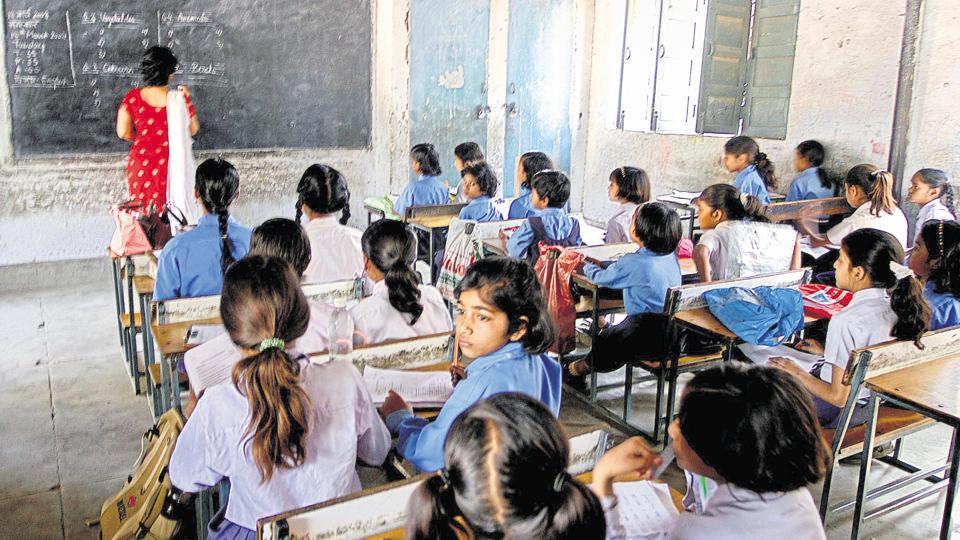
The Rajasthan Council of School Education (RCScE) issued an order on July 11 to all district education officers (DEOs) and district project coordinators of the Samagra Shiksha Abhiyan regarding a survey of school children by De-worm the World Initiative from July 5, to study worms found in their stool. (HT PHOTO.)

The Rajasthan Council of School Education (RCScE) issued an order on July 11 to all district education officers (DEOs) and district project coordinators of the Samagra Shiksha Abhiyan regarding a survey of school children by De-worm the World Initiative from July 5, to study worms found in their stool.

Deworm the World Initiative is a programme led by the non-profit Evidence Action that works to support governments in developing school-based deworming programmes in Kenya, India, Ethiopia, and Vietnam.

HT has a copy of this order.

The teachers have been told to accompany the NGO team to the houses of the school children for facilitating collection of the samples after convincing their parents.

The NGO is doing the survey since despite the de-worming exercise at the government level there are instances of presence of worms in the stomachs of school children. It will collect samples of 50 children from each government school in 25 districts of the state.

Meanwhile, teachers are protesting against the new assignment.

“Teachers are meant to teach in schools; such assignments are below our dignity,” said Ashok Nagar of Rajasthan Shikshak Sangh (Rashtriya). Teachers are already burdened with census, elections, admission, enrolment and other duties, he added.

“The government should use its health workers for this. The survey has so far not started but we will protest against it whenever it does,” Nagar said.

“Using teachers to collect stool samples is impractical and teachers should not be used in such activities,” said Ghulam Jilani of Shikshak Sangh Shekhawat.

Kota chief district education officer Hajari Lal Shivhare said the orders arrived on July 11 and so far he had received no complaints from teachers.

“Volunteers of the NGO will collect the samples. The teachers are required to only accompany them to students’ houses and to convince the parents for it,” he added.

  • HT News Desk
    ABOUT THE AUTHOR
    HT News Desk

    Follow the latest breaking news, major developments and agenda-setting stories from India and around the world with the newsdesk at Hindustan Times. Operating round the clock, the desk brings together experienced editors, reporters and correspondents to deliver fast, accurate and contextual reporting across subjects that influence public policy, governance, business, society and international affairs. The HT News Desk covers politics, elections, government policies, the economy, business and markets, science and technology, the environment, law and order, infrastructure, education, climate issues and geopolitics, while closely tracking developments across states, institutions and global capitals. The team also leads coverage of major breaking news events, policy announcements, court proceedings, natural disasters, public emergencies and significant international developments. Reports published by the newsdesk are based on information gathered from reporters on the ground, official statements, government agencies, court records, regulatory filings, recognised institutions and other authoritative sources. Stories undergo editorial scrutiny and verification processes to ensure accuracy, fairness and relevance, and are updated as events evolve and additional information becomes available. Whether covering a key political decision in New Delhi, an economic policy shift affecting millions, a landmark court ruling or a major global event, the HT News Desk aims to provide readers with reliable, fact-based journalism that delivers not only the latest developments but also the context and analysis needed to understand their wider implications.Read More



