Memory is the singular faculty that defines us as human beings. It enables learning and knowledge and produces the emotion that animates our sense of self. Memorials and remembrance days that honour the dead of a war or a traumatic event are therefore important markers of significant moments in our lives and the life of a community or that of a nation.
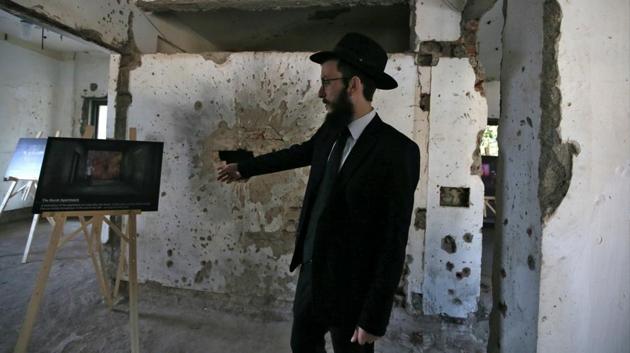
Given the catastrophic and deeply disturbing events of 26/11, it would be wise to try to heal the scars by building a memorial that not only remembers those who lost their lives or recounts the painful narrative, but that also attempts to bring together the many communities that make up the fabric of Mumbai, so that hatred and suspicion can gradually be erased. That should be the most important objective.
The memorial should be about love and forgiveness and not about hatred and anger. We should have the courage to be inclusive when so many are trying to stir divisions among us.
The memorial could be a place where people come to share stories of their pain and loss; it could have a programme to help heal wounds by inviting trauma experts and others to help people overcome debilitating effects. It is important not to convert the tragedy into a tourist attraction but instead make it a monument to brotherhood and peace so that the precious lives that were lost in the attacks are not in vain.
It could include a place for prayer and meditation where people can quietly honour those brave souls who perished and the many who have perished in similar situations in other parts of the world.
{{/usCountry}}It could include a place for prayer and meditation where people can quietly honour those brave souls who perished and the many who have perished in similar situations in other parts of the world.
{{/usCountry}}As a nation that is known the world over for Mahatma Gandhi’s stand against violence, we can go beyond the memorial to 9/11 at Ground Zero in New York by including his remarkable teachings on the subject.
Terrorism takes many forms, with loss of life being the most extreme. But rape, injury and psychological violence are also forms of terrorism that need to be countered.
Contemporary artists can be invited to honour those who have lost their lives by giving visual form to the subject. Historically, art has always been the public medium through which events are immortalised and difficult emotions captured for memorials.
Mumbai lacks a coherent public arts policy. An expert committee should be invited to take an overview of the situation and come up with a plan and location for a memorial that honours lives lost in the attacks. There are many government offices in important heritage buildings in South Mumbai that could be housed elsewhere, opening up space for such an important memorial. But as with everything else, what we need to have first is the will to get things done.
(Tasneem Zakaria Mehta is former vice-chairperson of INTACH, and managing trustee and honorary director of Mumbai’s Dr Bhau Daji Lad Museum.)
