
 E-Paper




Why India needs to rethink approach to diabetes management
Many people with diabetes remain undiagnosed, allowing complications such as heart disease, kidney damage, nerve problems and vision loss to develop.




India is home to more than 77 million adults living with type 2 diabetes, a figure roughly equivalent to the combined populations of Thailand and Singapore. By 2045, this number could reach 134 million. About 25 million are estimated to have pre-diabetes (elevated blood sugar levels which raise the risk of developing type 2 diabetes).
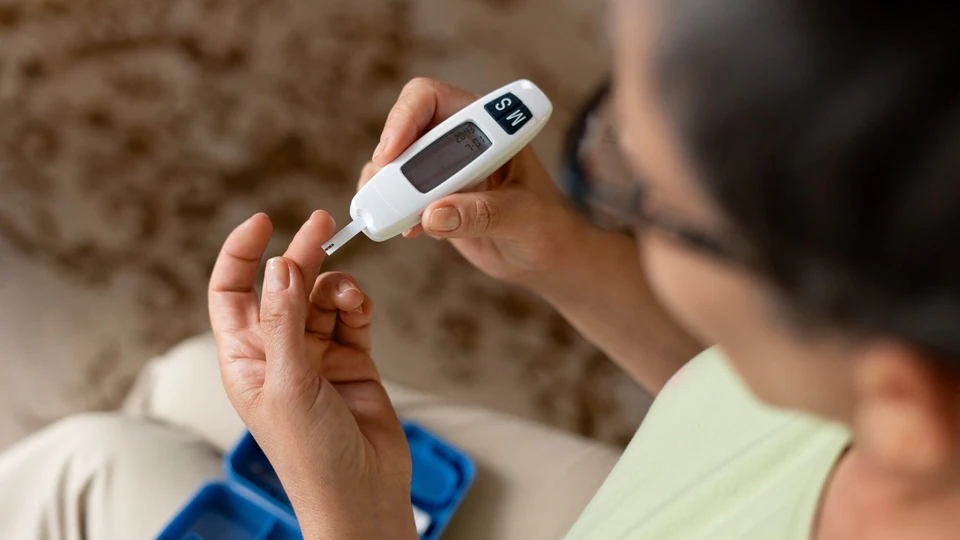
Feeling unusually tired, struggling to focus at work, or making frequent trips to the restroom to urinate are symptoms that are easy to dismiss as part of a stressful lifestyle. These could be warning signs of high blood sugar, potentially heralding the onset of diabetes.
Over half of individuals with diabetes do not know they have the condition, which can result in serious health problems if it remains undiagnosed and untreated.
Type 2 diabetes was once considered a disease of older adults; however, evidence indicates that the illness is increasingly being reported in younger age groups, especially if they have a family history. Furthermore, Indians are ethnically predisposed to develop type 2 diabetes even with a lower body mass index (BMI) than western populations.
So, there are modifiable and non-modifiable risk factors which influence development of type 2 diabetes. Modifiable factors include unhealthy diet, physical inactivity, obesity, and tobacco use, while non-modifiable factors comprise age, family history, ethnicity, and certain genetic traits.
Type 2 diabetes-related complications generally develop slowly and have a higher association with untreated or poorly managed diabetes. The complications include heart disease and stroke, and kidney damage (nephropathy), which may progress to kidney failure requiring dialysis or transplantation. Nerve damage (neuropathy) is another common complication, often leading to pain, loss of sensation, and increased risk of foot ulcers and amputations. Additionally, untreated diabetes can cause vision problems, including diabetic retinopathy, which may result in blindness. There is also a higher likelihood of infections and slow wound healing.
Management of type 2 diabetes is often reactive and centres around treating symptoms after diagnosis. This may lead to late interventions when complications have already set in.
Early screening for type 2 diabetes can lead to diagnosis and intervention, thereby reducing the risk of serious complications.
According to the Indian Council of Medical Research (ICMR) guidelines, all adults aged 30 years and above should be screened for type 2 diabetes, especially if they have additional risk factors like obesity, family history, or high blood pressure. Screening should ideally begin at age 30, and earlier for those with significant risk factors, with regular follow-ups to ensure early detection and management.
Prevention measures against type 2 diabetes empower individuals, reduce the burden on health care systems, and improve overall well-being. Thus, it not only promotes good health but is also cost-efficient.
As clichéd as it may sound, preventing type 2 diabetes largely involves making healthy lifestyle choices as stated below.
* Maintaining a balanced diet rich in whole grains, fruits, and vegetables, and low in processed foods and added sugars, can help lower the risk of the disease.
* Engaging in regular physical activity—such as at least 150 minutes of moderate exercise per week—also plays a key role in prevention.
* Having healthy body weight, avoiding tobacco use, and limiting alcohol consumption further reduce the chances of developing type 2 diabetes.
* Regular health check-ups and periodic monitoring blood glucose levels are important, especially for those with a family history or other risk factors.
- Conducting health screenings and education/awareness campaigns periodically helps employees understand the risks and recognise symptoms early.
- Promoting healthy eating by offering nutritious meal options and limiting the availability of sugary or processed foods. Simple initiatives like “fruit days” or healthy snack corners can encourage better choices.
- Encouraging physical activity into the workday through fitness breaks, on-site gyms or standing desks can make a significant difference over time.
- Inclusive wellness programs designed to benefit employees across all age groups.
- Supportive workplace culture with flexible work arrangements, stress management resources, and open conversations can create a safe environment to prioritise health.
Type 2 diabetes is a critical public health challenge in India, affecting millions. Early screening, increased awareness, and proactive organisational support can play a transformative role in curbing the diabetes epidemic and safeguarding health.
(The views expressed are personal)
This article is authored by Dr Prabha Xaxa, medical director, Medical Information and Analysis, ISOS.











