People living with chronic obstructive pulmonary disease (COPD) suffer more than having difficulty breathing. A staircase that was once easy to climb can become difficult. A short walk to the market may require several pauses. Even bathing, cooking or getting dressed can leave a person exhausted. This is one of the realities of chronic obstructive pulmonary disease (COPD): It affects far more than the lungs, changing how a person lives, works and participates in family life.
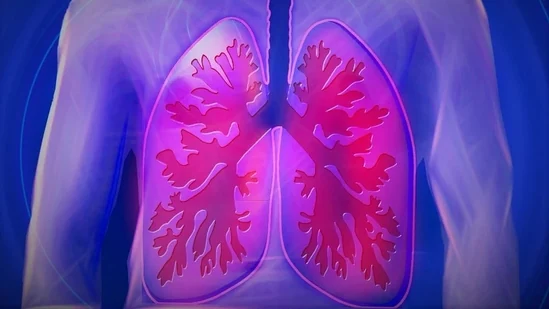
COPD is a chronic lung condition in which airflow becomes persistently restricted, making it difficult to breathe. Symptoms often develop gradually. A long-standing cough, phlegm, wheezing or breathlessness during activity may be dismissed as ageing, smoking or being out of shape. People may begin reducing their activities to avoid breathlessness, without recognising that this change needs medical attention.
Family members have to take on tasks an individual with COPD once managed independently. This often means going to appointments with them, helping with household chores and managing their medicines. A study of 200 COPD patients in Kolkata revealed that 51% needed support with household chores and 28% needed help with self-care.
There is an emotional cost, too. Patients may feel frustrated when they cannot keep pace with others, anxious about breathlessness or reluctant to attend social gatherings. Some withdraw because they do not want to inconvenience family members. These changes should not be dismissed as an inevitable part of ageing. Support and an appropriate treatment plan can help patients remain involved in everyday life.
While smoking is a common risk factor for COPD, it is not the only one. Occupational exposure to dust and fumes, as well as outdoor air pollution, can add to the risk. In India, long-term exposure to smoke is another key factor, particularly in women who spend years in poorly ventilated kitchens. A study screening 2,868 Indian women with more than 10 years of biomass-fuel exposure found COPD in 18.4%; 406 of those diagnosed had not previously known they had the condition. This shows why smoking history should not be the only risk factor considered.
{{/usCountry}}While smoking is a common risk factor for COPD, it is not the only one. Occupational exposure to dust and fumes, as well as outdoor air pollution, can add to the risk. In India, long-term exposure to smoke is another key factor, particularly in women who spend years in poorly ventilated kitchens. A study screening 2,868 Indian women with more than 10 years of biomass-fuel exposure found COPD in 18.4%; 406 of those diagnosed had not previously known they had the condition. This shows why smoking history should not be the only risk factor considered.
{{/usCountry}}For people whose livelihoods depend on physical work, COPD can have consequences beyond health. Breathlessness limits the tasks that construction workers, agricultural labourers and people in dusty or industrial environments perform. Such conditions can affect work output, and in turn household income. Treatments and hospital visits add to the cost of care, which forces some families to balance treatment against other essential needs.
Persistent breathlessness calls for medical assessment. Attributing COPD to age, weight or smoking by default is a mistake. Persistent cough, sputum and wheeze are the symptoms that should guide us. Treatment means more than handing out an inhaler. Patients need the right medication, correct inhaler technique and regular review. Pulmonary rehabilitation, which pairs supervised exercise with breathing techniques and education, can make everyday activities far more manageable. Patients should not stop prescribed inhalers because they feel better or avoid them because of embarrassment or misconceptions.
Living with COPD can be demanding, but patients should not have to manage it alone. Families can support treatment, encourage activity within the limits advised by the treating team and help reduce exposure to tobacco smoke, household smoke, dust and other pollutants. Worsening breathlessness or a change in cough or sputum should prompt timely medical advice.
COPD is often described in terms of damaged airways and reduced lung function. For the person living with it, the effects are measured in missed work, interrupted routines and dependence on loved ones. Recognising that burden is part of good care. The aim is not simply to help patients breathe better, but to help them retain as much independence and participation in daily life as possible along with a reasonable quality of life.
(The views expressed are personal)
This article is authored by Dr Rohan Aurangabadwalla, senior consultant pulmonology, Apollo Hospitals Navi Mumbai.
