
A 25-hectare biodiversity park developed in Chilbila forest in Pratapgarh is set to open to the public in January 2027, offering a unique blend of environmental conservation, eco-tourism and stargazing.
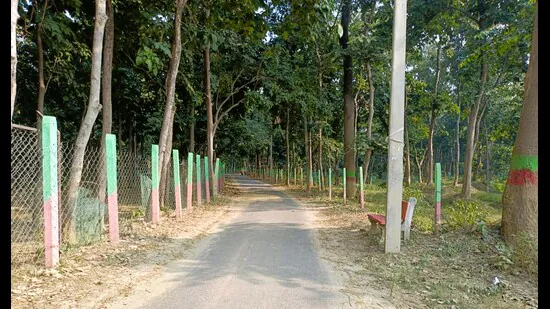
Named Swami Karpatri Ji Maharaj Biodiversity Park, the facility has been developed at a cost of ₹5.5 crore under the Namami Gange programme. The project is nearing completion, with the ongoing fencing work scheduled to be completed by December 15, paving the way for its inauguration in January, officials said.
The park is set to be the first of its kind in Uttar Pradesh to offer visitors an opportunity to observe celestial bodies through a high-resolution telescope. Visitors will be able to view stars, planets and constellations in the night sky, officials said.
Divisional forest officer (DFO) Ashutosh Gupta said all major components of the park had been completed, while fencing and some visitor amenities, including parking facilities and selfie points, were being developed.
The park’s attractions include a butterfly park, scented garden, bird-watching tower, Nakshatra Vatika, Panchvati Vatika, nature trail and wooden bridge. It also has a four-hectare wetland, a water lily conservation centre, herbal gardens and a four-kilometre-long nature trail, he said.
{{/usCountry}}The park’s attractions include a butterfly park, scented garden, bird-watching tower, Nakshatra Vatika, Panchvati Vatika, nature trail and wooden bridge. It also has a four-hectare wetland, a water lily conservation centre, herbal gardens and a four-kilometre-long nature trail, he said.
{{/usCountry}}The facility also has an educational component, with plant species displayed through signboards and barcodes, allowing visitors to access detailed information about them. A watchtower equipped for bird and wildlife observation will provide visitors with a view of the surrounding forest landscape through binoculars.
Focus on restoring Sai river ecosystem
Beyond promoting tourism, the project aims to revive the historic Chilbila forest and strengthen the ecosystem of the Sai river. Construction of the park began in March 2024 under the Namami Gange programme.
According to DFO Gupta, the initiative is expected to help restore native vegetation and provide a suitable habitat for local bird, butterfly and aquatic species.
The dense plantation of indigenous trees, plants and grasses will act as a natural filter, helping prevent soil erosion and reducing the flow of agricultural chemicals and other pollutants into the river during rainfall.
Water conservation structures, ponds and wetland areas developed within the park are also expected to improve groundwater recharge and help sustain the river’s base flow during summer.
Plantation along the riverbanks will further help check soil erosion and reduce flood risks. The green zone is also expected to create fresh opportunities for eco-tourism and local employment, officials said.
