
 E-Paper




KGMU gives trauma patients ₹11,000 upfront for tests, treatment in first 24 hrs
KGMU gives all Trauma Centre patients ₹11,000 for immediate care, with unlimited top-ups in critical cases to prevent financial delays in treatment.




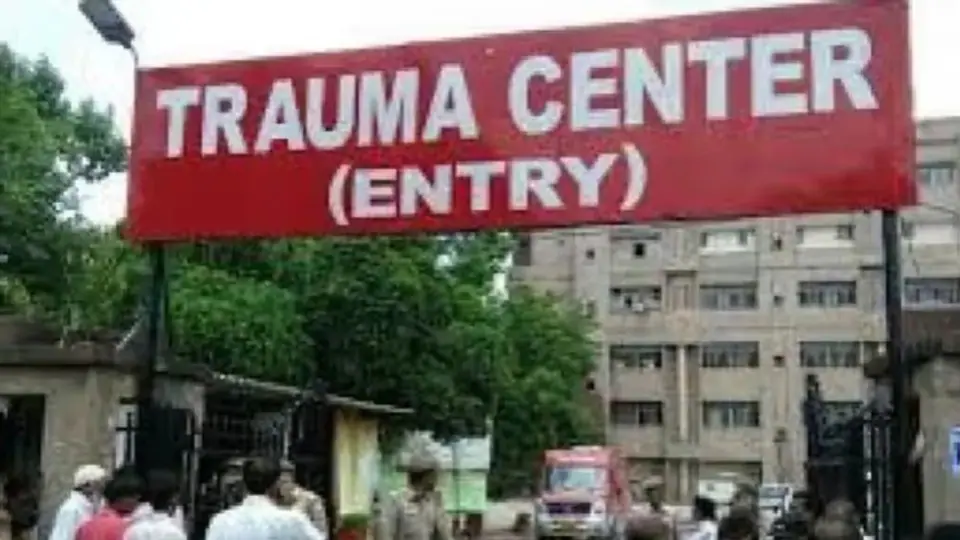
Patients admitted to the King George’s Medical University (KGMU) Trauma Centre, are credited ₹11,000 as soon as the registration process has been completed, helping them access essential diagnostic investigations and treatment without worrying about the financial burden. Patients are issued a pink slip to access treatment without direct payment.
And then, after 24 hours, if the patient continues to be treated in the Trauma Centre and runs out of the ₹11,000, unlimited top-ups are available to him/her, KGMU authorities said.
Investigations required for the initial assessment of trauma cases, including blood and urine tests, CT scans, X-rays and MRI scans are covered along with consumables and emergency surgery.
Initially restricted to BPL cardholders and destitute patients, the scheme has been extended to all surgical and non-surgical patients for the first 24 hours over the past four months, said Trauma Centre chief medical superintendent (CMS) Dr Premraj Singh.
Earlier, assistance was capped at ₹5,000 and primarily covered diagnostic tests for economically weaker patients. Later, the financial ceiling was increased and the coverage extended to all, he said.
Dr Singh said most essential investigations were completed within the first 24 hours, enabling doctors to assess patients and initiate treatment without unnecessary delays.
He said the facility was particularly beneficial for patients arriving from distant districts of the state, many of whom reach the hospital without adequate money or immediate family support. The free investigations help reduce the financial burden on attendants, he added.
KGMU spokesperson Prof KK Singh said the facility had been operational for the past four months and the university was continuously working to strengthen its diagnostic infrastructure.
“We are expanding diagnostic services to reduce waiting time,” he said.
KGMU vice-chancellor Prof Soniya Nityanand said the initiative covers all patients, irrespective of their financial status. “In critical cases requiring urgent surgery within the first 24 hours, assistance can exceed ₹11,000, also if the 24 hours are over and the surgery continues for hours. The medical university pays for it and never asks the patient to return whatever the amount is,” Prof Nityanand said.
“The biggest advantage is that treatment begins without delay, as financial approvals are no longer a bottleneck in emergencies,” she said, adding that the provision for unlimited financial top-ups in critical cases had strengthened emergency response.
KGMU has also opened a 24-hour Hospital Revolving Fund (HRF) store near the casualty wing to ensure timely availability of prescribed medicines and consumables, she said.











