
 E-Paper






Ridhima Gupta is a Principal Correspondent at Hindustan Times, where she covers healthcare, pharmaceuticals, and public health policy. Her reporting centers on Delhi’s major hospitals (AIIMS, Safdarjung, Lok Nayak), the state health department, and emerging medical trends. Ridhima is particularly interested in reporting on healthcare issues through the lens of women, children, and persons with disabilities. Her work often explores the intersection of healthcare and public policy, examining how these factors shape access health care. Based in New Delhi, many of her reports have led to direct government action over the years, in different city. Earlier this year, she completed a media training workshop on the Impact of Extreme Heat on Health, organised by the Global Strategic Communications Council (GSCC), further strengthening her interest in reporting on the intersection of climate change and public health. A postgraduate from the Asian College of Journalism, Chennai, Ridhima has around a decade of experience in journalism. She began her career as a trainee television reporter with Mirror Now in Mumbai and has since worked across multiple cities, including Bengaluru, Hyderabad, and Delhi, contributing to both print and broadcast newsrooms. She is a recipient of the Laadli Media Fellowship (2022) for her reporting on education, disability, and women’s issues. Before joining Hindustan Times, Ridhima worked with The Times of India, New Indian Express and News18. A native of Jhansi, Uttar Pradesh, Ridhima completed her undergraduate studies in Biotechnology. And when she is not working as a journalist she likes to paint and go on nature hikes.
Polluted air may add to diabetes burden, overall risk remains unclear: AIIMS director
A 2023 study published in the BMJ Open Diabetes Research & Care examined the association between exposure to fine particulate matter (PM2.5), blood glucose levels and the incidence of type 2 diabetes in Delhi and Chennai.


New Delhi
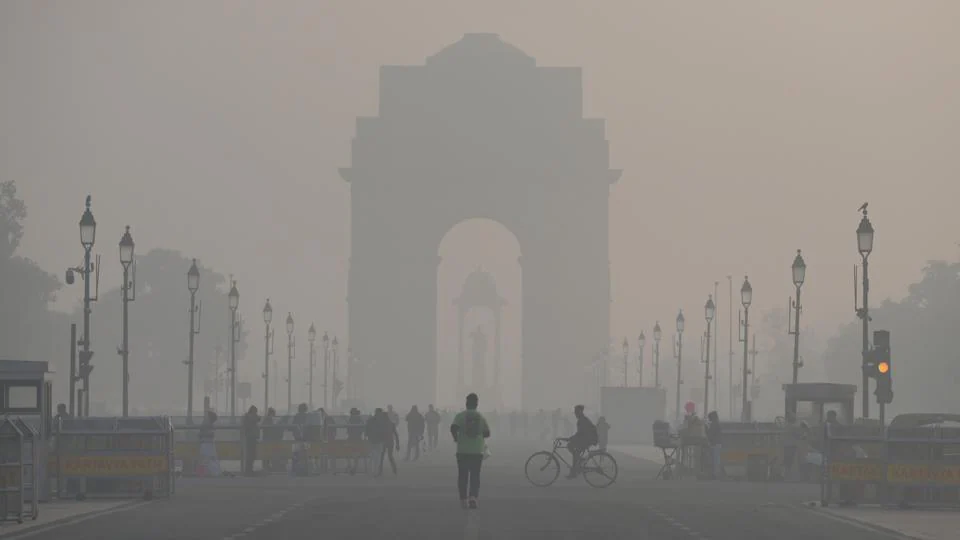
Air pollution may contribute to the rising burden of diabetes, but its share in the overall risk remains unclear, said All India Institute of Medical Sciences (AIIMS) director Dr Nikhil Tandon, adding that more evidence was needed to establish pollution as a dominant risk factor for the disease.
“The question is not only whether something is related, but, if there are many factors, we need to know how much of the risk can be attributed to air pollution?” Dr Tandon said, stressing the need to distinguish between an association and the extent to which a particular factor contributes to the disease burden.
“So if you look, there may be a contribution to overall diabetes risk, but whether that’s a dominant one or not, I don’t think we have data to support that,” he said, at a press conference at AIIMS on World Diabetes Day.
He maintained that the immediate impact of air pollution would primarily be on the pulmonary and cardiovascular systems.
Evidence linking air pollution to diabetes has, however, been emerging. A 2023 study published in the BMJ Open Diabetes Research & Care, which included researchers from AIIMS and other institutions, examined the association between exposure to fine particulate matter (PM2.5), blood glucose levels and the incidence of type 2 diabetes in Delhi and Chennai.
The study stated that it analysed data from 12,064 participants and found that every 10 micrograms per cubic metre increase in monthly average PM2.5 exposure was associated with a 0.40 mg/dL increase in fasting plasma glucose and a 0.021-unit increase in glycated haemoglobin (HbA1c). It also found that a 10 micrograms per cubic metre increase in annual average PM2.5 exposure was associated with a 22% higher risk of developing type 2 diabetes.
The researchers observed an association between air pollution exposure and higher blood glucose levels and the incidence of type 2 diabetes in both cities.
Meanwhile, speaking about the treatment of people with type 1 diabetes at AIIMS, Tandon said the institute has put in place a structured system to ensure continuity of care as patients move from paediatric to adult services.
“A structured transition of care from a paediatric to an adult care provider is very important. And we have actually worked on that, created a model, we have tested that model and now at least within this institution we have formalised a process by which a paediatric to adult transition happens,” he said.
He added that the institute has also devised a referral framework to facilitate the transfer of patients between paediatric and adult care providers across institutions.
ABOUT THE AUTHOR

Stay updated with all top Cities including, Bengaluru, Delhi, Mumbai and more across India. Stay informed on the latest happenings in World News along with Delhi Election 2025 and Delhi Election Result 2025 Live, New Delhi Election Result Live, Kalkaji Election Result Live at Hindustan Times.











