
 E-Paper






Arun Dev is an Assistant Editor with the Karnataka bureau of Hindustan Times. A journalist for over 10 years, he has written extensively on crime and politics.
Karnataka bars 3 IOCL fuel meters at Bengaluru terminal over ethanol, petrol measurement discrepancies
Karnataka found excess delivery of 14 litres of ethanol per 3,000 litres and a petrol shortfall of up to six litres at IOCL’s Devanagonthi terminal.
Published on: Nov 27, 2026, 18:50:52 IST


Share via
Copy link
Three fuel measurement systems at an Indian Oil Corporation Limited (IOCL) terminal near Bengaluru have been barred from commercial use after Karnataka’s Legal Metrology Department found discrepancies in the quantities of ethanol and petrol they recorded, including an excess of 14 litres of ethanol for every 3,000 litres measured, officials said.
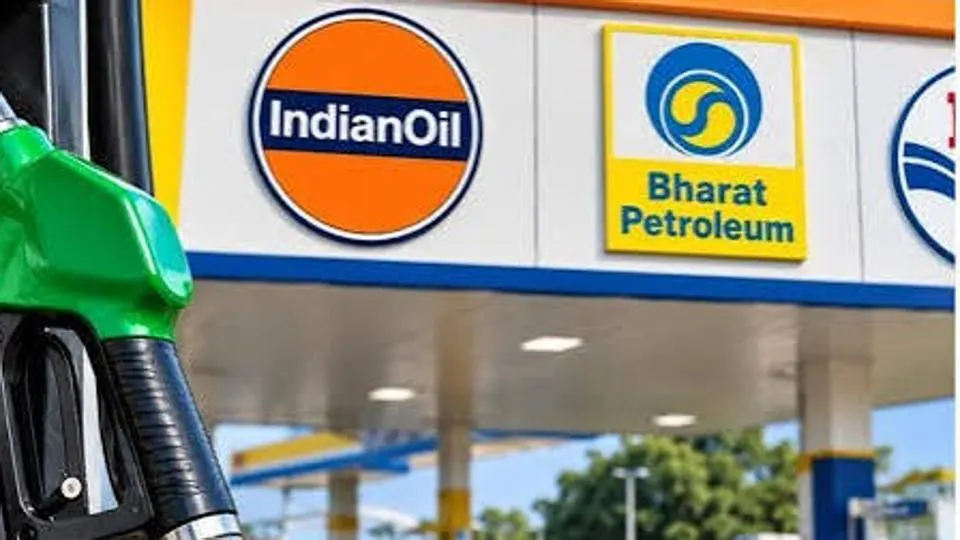
A show-cause notice dated November 25, issued by the Joint Controller of Legal Metrology, Bangalore and Mysore Division, identified irregularities in three mass flow meters at the company’s Devanagonthi terminal. An ethanol meter at Bay No. 9 showed an excess delivery of 14 litres for every 3,000 litres measured. Another ethanol meter at Bay No. 4 recorded an excess of three litres, while a motor gasoline meter at Bay No. 9 showed a short delivery of four to six litres for every 3,000 litres.
HT has reached out to IOCL for a comment. Its response is awaited.
Food, civil supplies, consumer affairs and legal metrology minister Rizwan Arshad said the inspection was part of a wider exercise following the state’s findings on ethanol content in petrol.
“After the Karnataka government exposed over-blending of ethanol in petrol beyond the prescribed E20 limit, our Legal Metrology Department has begun inspecting Oil Marketing Company (OMC) terminals, where the blending is carried out,” he said.
“At the IOCL Terminal, Devanagonthi, mass flow meters tested against a verified proving measure showed excess delivery of 14 litres of ethanol for every 3,000 litres, while motor gasoline was short-delivered by 4–6 litres. Both are beyond permissible limits,” he added.
According to the notice, the department tested the equipment against a verified master proving measure and found that all three discrepancies exceeded the permissible limits under the Legal Metrology Act and applicable rules.
“The use of measuring instruments that do not conform to the prescribed standards may result in incorrect determination of the quantity of petroleum products supplied, thereby affecting the interests of consumers, dealers and other stakeholders,” the notice said.
The terminal in-charge has been directed to keep the three measuring systems out of commercial use until their accuracy and compliance with statutory requirements are established, the notice said.
The company has seven days from receipt of the notice to explain the discrepancies and submit verification certificates, calibration and maintenance records, and other supporting documents. It must also detail the steps taken to ensure the accuracy of the meters and their associated batch control units, along with the corrective measures proposed.
The notice also seeks an explanation as to why legal and departmental action should not be initiated against the terminal and those responsible for operating and maintaining the equipment. It warns that an unsatisfactory response could lead to further proceedings under the Legal Metrology Act, 2009, without another notice.
The state had earlier collected 63 petrol samples from retail outlets across seven districts. Of the 14 samples for which laboratory results were initially available, 11 showed ethanol content above the prescribed 20% limit. The highest reported concentration was 31.2% in a sample from an IOCL outlet.
The findings were disputed by the three public sector oil marketing companies — IOCL, Bharat Petroleum Corporation Limited and Hindustan Petroleum Corporation Limited — which questioned the state’s sampling and testing procedures.
The companies subsequently said their tests of 56 samples collected in Karnataka found ethanol concentrations between 19% and 20%, within the prescribed limit.
ABOUT THE AUTHOR
Get the latest City News, local updates, weather alerts and breaking stories from Bengaluru, Delhi, Mumbai, Hyderabad and other major cities across India on Hindustan Times.











