E-Paper




Sintercom showcases growth plans in auto space with BS-VI – II in post Covid era
Established in 2007, Sintercom is one of the leaders in manufacturing automotive sintered components.

 Prefer HTon Google


Technology and Digitization have revolutionized new business models and other industries, and automotive is no exception. Sintercom India Limited continues to enhance the OEMs network and work closely with them to develop auto components with new technologies for their vehicles. Established in 2007, Sintercom is one of the leaders in manufacturing automotive sintered components.
The pandemic has caused havoc disruption to the auto industry, the entire value chain of the industry has been impacted by the slowdown, starting from component suppliers to vehicle manufacturers and dealers. However, the industry is slowly and steadily recovering from the current situation faced due to COVID-19 and countrywide lockdown. The road ahead for the rest of the year is also looking bright. The need for social distancing, safety, and personal hygiene will drive the demand for personal mobility solutions. Further migration from BS-IV to BS-VI will open up new opportunities for new technologies. These changes will help to reshape the automotive landscape going forward.
Sintercom with its various integrated manufacturing facilities increased the manufacturing capacity from 1980 MTPA to 3600 MTPA in 2019. The company also has a strategic tie-up with Miba Sinter Austria since 2011. This partnership is by way of equity participation along with a technology transfer agreement.
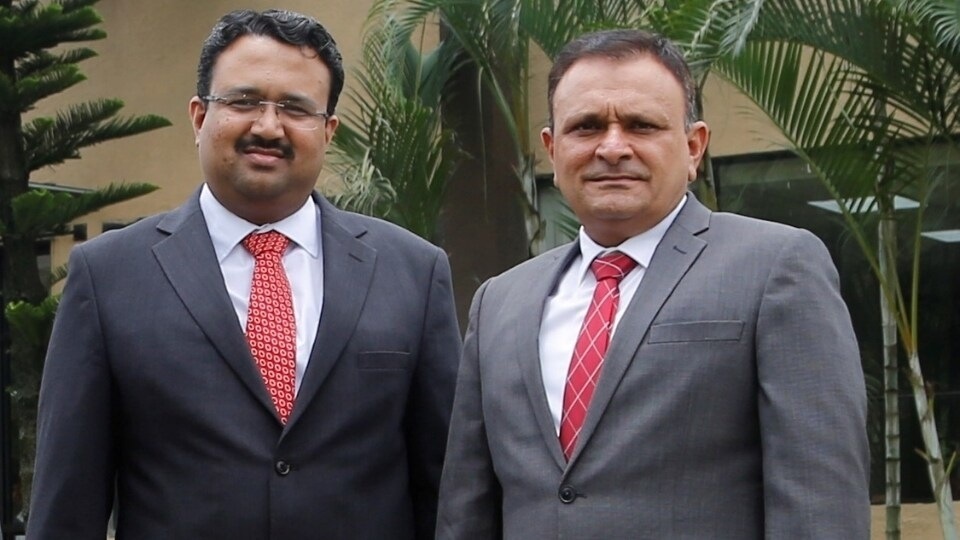
With the auto sector booming again since the last quarter of 2020, Jignesh Raval, Chief Executive Officer at Sintercom believes that the technology has transformed the world and it has changed the way the auto industry operates today. The advancement of new environment-friendly technology coming into the vehicle has enabled the industry to further personalize the customer experience at every touchpoint. “The time is now to invest in environment-friendly solutions especially in growing major economies like India. BSVI-II (CAFÉ II norms) aim at lowering fuel consumption of vehicles by lowering Carbon dioxide (CO2) emissions, thus serving both the purposes of reducing oil consumption and controlling pollution. This will create new opportunities for newer technology products.”
Considering the substantial operational costs, the company anticipates that the OEMs will look for the outsourcing of component assemblies and intend to become an assembly supplier for the OEMs wherein the component assembly would be done in-house and capitalize on this opportunity in the coming future considering the technology backup from the Miba Sinter Austria GmbH.
Recently, Sintercom raised INR 222 Million from Miba Sinter Holding Gmbh & CO KG to manage the immediate working capital requirements of the company and to explore larger and new business opportunities not only in the domestic markets but also globally. The cumulative importance of India as a manufacturing partner in technologically advanced products is evident from the current market trends.
The Automobile industry had a jarring ride and the revenues were significantly impacted in fiscal 2020 and 2021. But the industry is likely to see a steep recovery due to improved demands for automobiles across the sector. Further, post- Covid, there is a dramatic shift in the global supply chain. There will be a focus on self-sufficiency, which many countries have started doing so, supply chains will be readjusted as a one plus one concept. This opens up an opportunity for the Indian auto ancillary industry. They can play a bigger role in the Global Auto Sector.
Raval also foresees an increase in demand for personal cars post covid as people will avoid using public transport and this will give a big boost to the Indian Automobile industry turnover as it will increase the demand for a new vehicle.
The Indian EV segment is also likely to continue to draw investments and row manifolds in the coming years. Last year a study by the CEEW Centre for Energy Finance (CEEW-CEF) said, should India achieve its 2030 electric vehicle (EV) ambition, it would present a market opportunity worth nearly $206 billion ( ₹14,42,000 crore).
“I can see more and more tech-savvy millennials and other target groups shifting to electronic vehicles, especially in the two-wheeler segment in the coming years” said, Pankaj Bhatawadekar, CFO, Sintercom. He believes a lot of investment and opportunities are available in the segment like investment in charging stations infrastructure, EV battery manufacturing, maintenance, and repair stations. This ambitious target, coupled with India’s electric mobility goal, can create more growth potential in the days ahead as India offers the world’s largest untapped market in the EV segment.
All these initiatives are likely to help Indian auto component manufacturers resume business and fortify the supply chain. Furthermore, this will also help companies ramp up their businesses and reduce automaker's reliance on other countries for components.
Disclaimer: This content is distributed by Digpu News Network. No HT journalist is involved in creation of this content.